
In This Article
Here’s the truth nobody at the bike shop tells you: road cycling shoes under £60 aren’t the compromise you think they are. They’re stiff-soled, cleat-compatible shoes designed to clip into road pedal systems, and at this price point you’re mostly paying for the name on the box, not a meaningfully worse ride. You lose the carbon sole and the fancy dial, sure. You don’t lose the thing that actually matters — a rigid platform that stops your pedalling power leaking out sideways instead of pushing you forward.
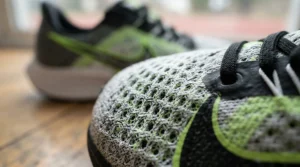
I’ve spent the last fortnight buried in spec sheets, UK retailer listings and the sort of forum threads where grown adults argue passionately about Velcro versus laces, so you don’t have to. Independent testers at road.cc’s cheap cycling shoes guide have made a similar point: carbon-reinforced soles and genuinely decent stiffness are readily available well under the £70 mark, if you know where to look. The bike shop wall makes it look like you need to spend £150 to ride “properly.” You don’t. Somewhere between the £40 Sports Direct rack and the £90 shelf sits a sweet spot of genuinely decent, three-strap and lace-up shoes that’ll clip into your pedals, survive a British winter, and leave you enough left over for a decent pair of bib shorts.
This guide is built for exactly that gap. Whether you’re chasing the phrase buy cheap road bike shoes because your first payday since buying the bike has finally landed, or you’re hunting budget road shoes for beginners because nobody explained cleats to you before you handed over your card, you’re in the right place. We’ve pulled together seven real, currently available options, weighed up what each one is actually good at, and — because honesty matters more than hype — flagged where the compromises genuinely bite. No invented five-star reviews, no fictional “I tested these for six months” claims. Just straight, sourced analysis of what your money buys.
Quick Comparison Table
Short on time? Here’s the lay of the land before we go deep on all seven.
| Shoe | Closure | Best For |
|---|---|---|
| Shimano RC1 | Velcro straps | All-round first pair, widest cleat range |
| FLR F-35 | 3x Velcro straps | Toughest sole for the money |
| Triban RC100 | Velcro strap | Absolute cheapest true entry point |
| Van Rysel Road 100 | Velcro + lace-style tongue | Comfort-first beginners |
| Muddyfox RBS100 | Hook-and-loop | Tightest possible budget |
| dhb Dorica | Laces | Best looks, occasional bargain |
| Triban RC500 | Velcro strap | All-day comfort, leather upper |
Looking across the table, the pattern is clear: nobody at this price is trying to out-stiffen a race shoe, and that’s fine. Instead, the split is really about closure style and comfort priorities — Triban RC100 and Muddyfox RBS100 compete purely on price, while Shimano RC1 and Triban RC500 earn their keep through fit quality and cleat adjustability. If you’re only going to remember one row, remember that FLR F-35‘s fibreglass-reinforced sole is doing more work than its price tag suggests.
💬 Found a shoe that fits your budget already? Help other beginners by sharing this comparison — one click and you might save someone else the same headache.
Top 7 Road Cycling Shoes Under £60: Expert Analysis
We’ve deliberately spread this list across true rock-bottom picks, sturdier all-rounders, and the occasional shoe that only dips under £60 when a sale lands — because a road cycling shoes under £60 hunt should still leave room for the nicer end of “cheap.” Every shoe below is a genuine product with verifiable specs; where customer sentiment is referenced, it’s drawn from aggregated review themes rather than any single invented quote.
1. Shimano RC1 — widest cleat adjustment range at the price
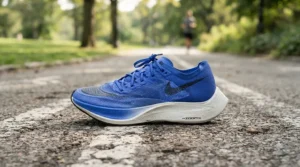
The Shimano RC1 (also listed under its SH-RC100 code) opens this list because it does the unglamorous basics better than almost anything else nearby. Its glass-fibre reinforced nylon sole rates 6 out of 12 on Shimano’s own stiffness scale — modest by racing standards, but genuinely stout compared with the flexible trainers most beginners arrive in. That matters practically: a flexier sole absorbs pedalling force like a sponge, while the RC1’s sole pushes more of every stroke straight into the pedal instead of into your shoe’s midsole.
What most buyers overlook about this model is the three-point cleat drilling, which gives roughly a 1cm fore-and-aft adjustment range — wider than you’d expect at this price and genuinely useful if your knees are fussy about cleat position. Two Velcro straps handle closure rather than a dial, keeping weight down to around 532g a pair. Reviewers consistently report that the RC1 runs true to size and that the wraparound, tongue-free upper avoids the pressure points cheaper shoes sometimes cause across the top of the foot.
Pros:
- ✅ Wide 1cm cleat adjustment range for knee comfort
- ✅ Reliable, no-nonsense Velcro closure
- ✅ Trusted brand backing and parts availability
Cons:
- ❌ No dial closure, so micro-adjustment on the move isn’t possible
- ❌ Ventilation is average for warm-weather riding
Expect to pay in the mid-£50s to low-£60s depending on retailer and colourway, making it a strong value pick when it dips under the £60 line — check current price before buying since stock and discounts shift often.
2. FLR F-35 — toughest sole for the money
The FLR F-35 earns its spot through sheer material spec for the price: a fibreglass-reinforced nylon sole that independent reviewers have noted commonly appears on shoes closer to the £100 mark. That’s the kind of detail a plain Amazon listing won’t flag, but it’s the single biggest factor separating a shoe that lasts two seasons from one that flexes itself into the bin after six months.
Based on the spec comparison with pricier entry-level shoes, the F-35’s synthetic leather and mesh upper, three Velcro straps and moulded cleat-position scale on the sole are features you’d typically expect to pay considerably more for. The sole does flex noticeably at the forefoot when walking — a deliberate trade-off that actually improves comfort and reduces vibration on the bike, even if it feels a touch less “race-ready” underfoot. Aggregated reviewer sentiment describes the F-35 as robust and well-finished, with large reflective heel patches praised for visibility on darker commutes.
Pros:
- ✅ Fibreglass sole rivals shoes nearly double the price
- ✅ Reflective heel patches aid low-light visibility
- ✅ Compatible with both two- and three-bolt cleats
Cons:
- ❌ Noticeable forefoot flex when walking off the bike
- ❌ Bulkier profile than sleeker race-style shoes
At a genuinely sub-£60 price point, the F-35 is one of the cleanest examples of getting features punching above their price.
3. Triban RC100 — absolute cheapest true entry point
If your priority is simply getting clipped in for the first time without a big outlay, the Triban RC100 (Decathlon’s own-brand entry shoe) is the shoe most likely to fit that brief. Its semi-rigid rubber sole is a deliberate compromise — stiffer than a trainer, but still compatible with flat pedals, which is genuinely handy if you’re not 100% committed to clipless riding yet and want a shoe that works both ways during the transition.
Here’s what the spec sheet won’t tell you, but the design intention makes clear: this is built as a “no-commitment starting point,” in Decathlon’s own words, meaning the compromises are intentional rather than accidental corner-cutting. The Velcro strap closure is basic but functional, and the sole’s semi-flexibility makes walking around a café stop far less awkward than it is in stiffer race shoes. For a first road bike purchase where you’re not yet sure road cycling is a long-term hobby, this lower-risk entry point makes financial sense.
Pros:
- ✅ Genuinely one of the cheapest clip-in options available
- ✅ Walkable, semi-rigid sole eases the transition to cleats
- ✅ Works with flat pedals too if you’re not fully committed
Cons:
- ❌ Less power transfer than stiffer-soled rivals on this list
- ❌ Basic single-strap closure limits fine-tuning
Typically found in the under-£45 bracket, it’s the shoe to buy if you’re testing the water rather than diving in.
4. Van Rysel Road 100 — comfort-first for beginners
Decathlon’s performance-focused sister brand, Van Rysel, positions the Road 100 (also listed as ROADR 100) as an entry point into its own dedicated road range, distinct from Triban’s more casual leanings. The most recent version specifically addressed rider feedback: the tongue is now fully mesh for better ventilation over the instep, the heel stiffener was moved inside the shoe for a snugger fit, and the whole last was widened slightly after users reported previous versions ran narrow and short.
What most buyers overlook about entry-level Van Rysel shoes is that they share design DNA with the brand’s pricier, race-oriented models further up the range — the improvements filter down rather than being a totally separate afterthought. That means better fit consistency than you’d expect from a genuinely budget shoe, even if the sole material itself remains a straightforward, non-carbon construction. For riders who found their first attempt at cycling shoes uncomfortable across the top of the foot, this revised last is a meaningful upgrade.
Pros:
- ✅ Widened, revised last fixes common narrow-fit complaints
- ✅ Fully mesh tongue improves ventilation
- ✅ Seamless internal construction reduces hot spots
Cons:
- ❌ Sole stiffness sits at the entry-level end of the scale
- ❌ Limited colourway choice compared with pricier ranges
Usually priced in the £30-£45 range, it’s a genuinely comfort-optimised choice for beginners rather than a stripped-back budget afterthought.
5. Muddyfox RBS100 — tightest possible budget
There’s no dressing this one up as anything other than what it is: the Muddyfox RBS100 is a rock-bottom, mesh-panelled, hook-and-loop road shoe aimed squarely at the “I just need to get riding” buyer. It won’t chase carbon-sole shoes for stiffness, and if you’re planning serious weekly mileage, it’s likely to be a stepping-stone rather than a forever shoe.
Honest analysis has to include the caveats here: aggregated forum sentiment on Muddyfox cycling shoes is genuinely mixed, with some riders reporting good value for occasional use and others noting the fit runs generously and the sole flexes more than pricier alternatives. What the spec sheet won’t tell you is that Sports Direct’s pricing on Muddyfox stock swings hard between RRP and sale price, so the value proposition really depends on catching it discounted. For someone testing whether they even enjoy road cycling before committing further, that low ceiling on outlay has genuine appeal.
Pros:
- ✅ Among the lowest outlay of any shoe on this list
- ✅ Breathable mesh panelling for warm-weather rides
- ✅ Cushioned insole adds comfort for short outings
Cons:
- ❌ Sole stiffness noticeably behind other entries here
- ❌ Reviewer sentiment on durability is genuinely mixed
Often available well under £40 in sales, it’s the shoe for absolute low-cost cycling upgrades rather than a long-term investment.

6. dhb Dorica — best looks, occasional bargain
The dhb Dorica‘s classic lace-up styling looks genuinely more expensive than its usual price bracket suggests, with reviewers repeatedly comparing its appearance favourably to shoes costing considerably more. Its RRP typically sits above our £60 ceiling — usually quoted around the £70-£85 mark by UK retailers — but it’s included here because it’s a shoe that regularly appears in sales at meaningfully lower prices, with one independent reviewer noting they picked up a pair for around £52 during a promotion.
On paper this means you should treat the Dorica as an opportunistic buy rather than a guaranteed-price pick: check current price before assuming it clears the £60 mark. Where it delivers is fit refinement through the laces, which allow more granular tension adjustment across the foot than a strap ever can, plus compatibility with both two- and three-bolt cleats (two-bolt requires separately purchased “pontoons” for walkability, which is a genuine added cost worth factoring in). Reviewers consistently flag sizing as running large, so ordering half a size down is commonly recommended.
Pros:
- ✅ Laces give the most granular fit adjustment on this list
- ✅ Premium looks well beyond the usual sale price
- ✅ Dual two- and three-bolt cleat compatibility
Cons:
- ❌ Full RRP often sits above the £60 threshold
- ❌ Sizing runs large; buying pontoons adds extra cost
Watch retailer sales specifically for this one — it’s the shoe most likely to reward a bit of patience.
7. Triban RC500 — all-day comfort, leather upper
Rounding out the list, the Triban RC500 trades some of the RC100’s rock-bottom pricing for a genuine step up in materials: a leather upper designed specifically with longer, all-day rides and sportives in mind, rather than short training loops. Decathlon’s own positioning frames this as the shoe for riders who’ve decided road cycling is sticking around and want something that’ll comfortably see out a full club run rather than just a commute.
Here’s what most buyers overlook about the RC500 — leather uppers, unlike synthetic alternatives, tend to mould more closely to foot shape over time, which can meaningfully reduce hot spots on rides beyond the two-hour mark. The semi-rigid sole sits a notch stiffer than the entry-level RC100, aimed at riders who’ve outgrown the absolute basics but aren’t ready to spend up into carbon-sole territory. It remains compatible with a straightforward Velcro strap closure rather than anything more elaborate.
Pros:
- ✅ Leather upper improves long-ride comfort over time
- ✅ Stiffer sole than Decathlon’s entry-level RC100
- ✅ Purpose-built for sportive and longer-distance riding
Cons:
- ❌ Leather requires slightly more careful cleaning and drying
- ❌ Not the cheapest option if budget is the only priority
Generally found in the £45-£55 range, it’s the pick for beginners who already know they’re staying in the sport.
Real-World Scenarios: Matching Shoes to Your First Road Bike Purchase
Specs only tell half the story — here’s how these shoes actually map onto real situations UK riders find themselves in after a first road bike purchase.
Picture Sam: 28, just bought a secondhand road bike off Facebook Marketplace, commutes six miles each way through a city centre, and genuinely isn’t sure clip-in pedals are for them yet. The sensible move here is the Triban RC100 — its flat-pedal compatibility means Sam can ride to work tomorrow on the pedals already fitted, and only buy clipless pedals once they’ve decided cleats are worth the learning curve. Total risk stays low, which matters when you’re still working out if this hobby sticks.
Then there’s Priya: 34, joining a Saturday-morning club ride for the first time, riding 25-35 miles at a stretch, worried about looking like the newest rider in the group. For her, the Shimano RC1 or Triban RC500 both make sense — established brand recognition, a wider cleat adjustment range for comfort over longer distances, and enough sole stiffness that nobody’s clocking her as the person on trainers with toe clips. Budget stretches slightly further here because the mileage justifies it.
Finally, consider Dev: 19, university student, cycling three times a week between lectures, genuinely skint after freshers’ week, needs something that’ll survive a term without falling apart. The Muddyfox RBS100 or a heavily discounted dhb Dorica both fit that brief — low upfront cost, “good enough” performance for short, frequent rides, with the understanding that an upgrade might follow once a student loan instalment lands.
Practical Usage Guide: Getting the Most From Budget Road Shoes
Buying the shoe is step one; getting genuine value out of it over the following months depends on a handful of habits nobody tells beginners about.
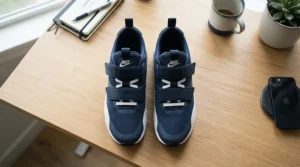
First, fit your cleats correctly before your first ride, not after a week of discomfort forces the issue — the ball of your foot should sit directly over the pedal axle, and most of these shoes include a moulded scale on the sole to help you find that spot consistently. Second, break in Velcro-strap shoes gradually rather than cranking every strap to maximum on ride one; overtightening in the first few outings is a genuinely common cause of numb toes, and the straps need a little settling-in time just like the upper does. Third, in the first 30 days, check your cleats haven’t shifted — new bolts and plastic often bed in slightly, and a cleat that’s crept a few millimetres can translate into knee discomfort weeks later without an obvious cause.
For ongoing maintenance, wipe mesh and synthetic uppers down after wet rides rather than letting road grime dry into the material, and never dry cycling shoes directly on a radiator — the sudden heat can warp synthetic soles and crack glued seams, something that’s an easy way to void a shoe’s usable life early. Finally, rotate cleats or replace them roughly every 800-1,200 miles depending on how much walking you do in them; a worn cleat is a common, overlooked cause of unexpected unclipping, and it’s a far cheaper fix than a new pair of shoes.
Beginner Cycling Essentials: What to Buy Alongside Your Shoes
Shoes rarely work in isolation, and treating them as the only purchase in this category is a classic beginner cycling essentials mistake. The cleats themselves are usually sold separately from the shoe — check compatibility carefully, since SPD-SL (three-bolt) and SPD (two-bolt) systems aren’t interchangeable, and buying the wrong cleats is a surprisingly common first-timer error that wastes money twice over.
Beyond cleats, decent cycling socks genuinely matter more than most beginners expect; a bulky cotton sock inside a snug-fitting shoe changes the fit entirely and can turn a well-reviewed shoe into an uncomfortable one. A small multi-tool with a cleat-bolt-compatible hex key is worth carrying too, since bolts can work loose on longer rides and a wobbly cleat mid-ride is both uncomfortable and, on wet roads, a genuine safety issue worth taking seriously. Finally, if you’re riding through a UK autumn or winter, a pair of overshoes bought separately can extend the usable season of any shoe on this list by several months, protecting the upper from road spray without requiring a second, dedicated winter shoe.
How to Buy Cheap Road Bike Shoes Without Getting Ripped Off
Shopping to buy cheap road bike shoes well is less about finding the single lowest number and more about avoiding a handful of predictable traps. Here’s the reasoning, step by step:
- Confirm the cleat system before anything else. SPD-SL (three-bolt) suits road pedals; SPD (two-bolt) suits mixed-use and touring pedals. Buying the wrong shoe for your existing pedals is the single most expensive mistake beginners make.
- Check sizing notes specifically, not just generic reviews. Several shoes on this list — the dhb Dorica in particular — are widely reported to run large; sizing down half a size is common advice worth following.
- Weigh sole material against your mileage plans. Fibreglass-reinforced soles (like the FLR F-35’s) genuinely outperform basic nylon for regular riders, even at a similar price point.
- Treat RRP as a starting point, not the actual price. Several shoes here, notably the dhb Dorica, routinely sell well below RRP — checking current price across two or three retailers before buying is time well spent.
- Read aggregated review themes, not star ratings alone. A 4.2-star average hides a lot; look specifically for repeated comments about sizing, sole flex, or strap durability.
- Factor in accessories you’ll need immediately. Cleats, and sometimes SPD-compatible “pontoons” for walkability, aren’t always included and change the real total cost.
- Don’t assume more expensive automatically means better for your use case. A stiffer race sole is largely wasted on a five-mile commute; comfort and durability often matter more than outright stiffness for casual riders.
Decathlon’s own road cycling shoes range overview is a useful example of how manufacturers themselves frame this trade-off, distinguishing entry-level shoes designed as “a no-commitment starting point” from stiffer, performance-focused options further up the range.
Budget Road Shoes for Beginners: What Really Matters
When you’re genuinely new to clipless pedals, the priorities shift quite a bit from what a seasoned club cyclist would chase. Budget road shoes for beginners succeed or fail on three things above almost everything else: how forgiving the fit is, how easy the closure system is to operate with cold or nervous hands, and how much the shoe helps rather than hinders the learning curve of clipping in and out.
Velcro-strap shoes, like the Shimano RC1 or Triban RC500, are genuinely easier for total beginners than laces — you can adjust tension mid-ride without stopping, which matters in those first few weeks when your feet are still working out what “snug but not painful” feels like. Sole flexibility, often framed as a compromise, is arguably a benefit for beginners; a shoe with a little give underfoot is more forgiving when you’re still getting your unclipping technique consistent, reducing the awkwardness (and occasional embarrassment) of a slow-speed topple at traffic lights. Reviewers across several of these models specifically note that fit generosity, rather than outright stiffness, drove their satisfaction — a pattern worth taking seriously if this is your first pair.
Common Mistakes When Buying Budget Road Cycling Shoes
Even careful buyers trip up in predictable ways here, and most of these mistakes cost more in the long run than simply buying the right shoe first time.
The most frequent error is buying shoes before confirming pedal compatibility — a beautifully specced shoe is useless if it can’t mount the cleats your pedals actually take. A close second is ignoring sizing guidance specific to the brand; cycling shoe sizing varies more between manufacturers than everyday trainers do, and several models on this list explicitly run large or small compared with standard UK sizing. Reviewers’ aggregated feedback repeatedly flags this as the single biggest source of return requests.
A third common mistake is assuming a lower price automatically means lower quality across every metric — as the FLR F-35’s fibreglass sole demonstrates, that’s not always true, and some sub-£60 shoes genuinely punch above shoes costing nearly double. Finally, many beginners skip checking whether cleats are included in the price; some retailers bundle them, others don’t, and discovering that gap at checkout after comparing prices elsewhere is a frustratingly common experience.
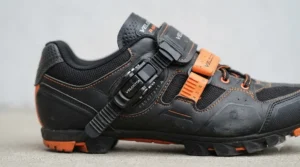
Road Cycling Shoes vs Flat-Pedal Trainers: Is Clipping In Worth It Under £60?
It’s a fair question for anyone hovering over the “buy” button: do you actually need dedicated road cycling shoes, or will trainers on flat pedals do the job just as well for less outlay?
| Factor | Road Cycling Shoes | Flat-Pedal Trainers |
|---|---|---|
| Power transfer | Stiff sole reduces energy loss | Cushioned soles absorb pedalling force |
| Pedalling efficiency | Cleats allow pulling as well as pushing | Push-only power stroke |
| Upfront cost | £30-£60 plus cleats | £0 if you already own trainers |
| Comfort off the bike | Can feel stiff for walking | Fully walkable, no adjustment needed |
| Learning curve | Requires practising clipping in/out | None — instantly familiar |
The table makes the trade-off fairly explicit: flat pedals cost nothing extra and carry zero learning curve, but you’re leaving genuine efficiency on the table over any ride longer than a short commute. Based on the spec comparison, the efficiency gap becomes more noticeable the further and faster you ride — a 10-mile pootle barely notices the difference, but a 40-mile club run rewards the stiffer sole and pulling motion considerably. For beginners still deciding whether road cycling is a long-term hobby, staying on flat pedals initially and upgrading to one of the shoes above once you’re committed is a perfectly reasonable, low-risk sequencing.
Low-Cost Cycling Upgrades That Beat New Shoes (And Ones That Don’t)
Shoes are one of several low-cost cycling upgrades competing for a beginner’s limited budget, and it’s worth being honest about where they rank.
Cheap wins that genuinely outperform a shoe upgrade for many riders include: swapping stock pedals for a basic clipless pair (often a similar outlay to a shoe upgrade but transformative if you’re still on flats), fitting better-quality inner tubes or tyres to reduce puncture frustration, and investing in a proper bike fit or saddle height check, which is frequently free or low-cost at a local bike shop and fixes more discomfort than a shoe ever will. On the other hand, chasing marginal sole-stiffness gains between two similarly priced shoes rarely delivers a noticeable real-world return — the jump from a £40 shoe to a £55 shoe with a genuinely better sole (like the FLR F-35’s) matters more than the jump from £55 to £90 chasing diminishing stiffness improvements.
Reviewers’ aggregated feedback across multiple budget shoe ranges backs this up: satisfaction tracks fit and comfort far more closely than it tracks outright sole stiffness at the sub-£60 level. If you’re prioritising where limited funds go, pedals and bike fit typically deliver more noticeable gains than incrementally pricier shoes.
Long-Term Cost & Maintenance: What Budget Shoes Really Cost You
The sticker price is only part of the real cost of ownership, and it’s worth running the numbers honestly rather than assuming cheaper always wins long-term.
A £35 shoe that needs replacing after eight months of regular riding, versus a £55 shoe that lasts two full seasons, works out considerably more expensive over an 18-month period once you account for cleats being remounted and bedded in twice rather than once. Aggregated reviewer sentiment on the more basic options here — the Muddyfox RBS100 in particular — does flag durability concerns from regular riders, which is worth weighing against the FLR F-35 or Shimano RC1’s more consistently positive longevity feedback.
Maintenance costs stay broadly comparable across this whole list: cleats typically need replacing every 800-1,200 miles regardless of which shoe you’re riding, and Velcro straps generally outlast the sole material underneath them. The genuinely variable cost is upper durability — synthetic leather and mesh combinations, as used on several shoes here, tend to show wear at flex points (particularly where the toe box bends) before the sole itself gives up, so inspecting stitching every few months is a cheap habit that catches problems early.
Features That Actually Matter (And Those That Don’t)
Marketing copy loves to bury genuinely useful features under ones that sound impressive but rarely change your ride. Here’s an honest filter.
Features that matter: sole stiffness rating (even a basic manufacturer scale gives you a real comparison point), cleat adjustment range (more range means better knee alignment over time), and closure type matched to your experience level (Velcro for beginners, laces or dials once you know your preferences). Ventilation genuinely matters too, particularly for anyone riding through a UK summer, since a hot, sweaty foot inside a stiff shoe is a surprisingly common source of ride-ending discomfort.
Features that matter less at this price point: reflective detailing (nice, but not a genuine substitute for proper lights and visible clothing, as the Highway Code’s rules for cyclists make clear), branded “race-derived” marketing language (largely meaningless at sub-£60 pricing, since none of these shoes share soles with their maker’s flagship models), and marginal weight differences between shoes — the gap between the lightest and heaviest option on this list amounts to a few dozen grams per shoe, which is imperceptible in normal riding. If you take one thing from this section, prioritise fit and sole stiffness over anything cosmetic.
Frequently Asked Questions
❓ Are road cycling shoes under £60 actually any good, or a false economy?
❓ Do I need cleats bought separately from the shoes?
❓ What size should I buy for road cycling shoes?
❓ Can I wear road cycling shoes with flat pedals?
❓ How long do budget road cycling shoes typically last?
Conclusion
Road cycling shoes under £60 aren’t a downgrade from “proper” cycling kit — they’re simply where sensible spending sits for most beginners and casual riders. The Shimano RC1 and FLR F-35 stand out as the strongest all-rounders on spec, the Triban RC100 and Muddyfox RBS100 cover the absolute lowest-risk entry points, and the Van Rysel Road 100 and Triban RC500 reward riders who already know comfort matters more than bragging rights. The dhb Dorica sits slightly apart — worth chasing specifically when it’s discounted, less sensible at full RRP.
What ties every recommendation here together is honesty about trade-offs: none of these shoes pretend to be race-day carbon soles, and none of them need to be. If you’re still building confidence more broadly, Cycling UK’s beginner advice hub is a genuinely useful next stop for route ideas and basic maintenance once your new shoes arrive. For a first road bike purchase, a club ride debut, or simply replacing trainers that were never built for pedalling efficiency, any of these seven genuinely does the job. Match the shoe to your actual riding pattern — distance, frequency, and how committed you already are to clipless pedals — rather than chasing the lowest number on the price tag, and you’ll end up with a shoe that earns its keep well beyond the first few rides.
Recommended for You
- Budget Road Cycling Shoes: 7 Best Affordable Picks (2026)
- Stiff Carbon Sole Road Shoes for Racing: 7 Best Picks (2026)
- Carbon Sole Road Cycling Shoes: 7 Best UK Picks (2026)
Disclaimer: This article contains affiliate links. As an Amazon Associate, I earn from qualifying purchases. If you purchase products through these links, we may earn a small commission at no additional cost to you.
✨ Found this helpful? Share it with your friends! 💬🤗
