
In This Article
Let’s be honest about why you’re here. Either you’ve just had a near-miss with a transit van on a roundabout and your stomach hasn’t quite settled, or your current helmet is held together with sun-bleached straps and a prayer. Either way, you’ve landed on the right page, because picking the best MIPS road cycling helmet shouldn’t feel like decoding a spec sheet written by someone who’s never actually ridden a bike up Box Hill in the rain.
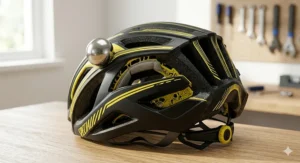
MIPS — Multi-Directional Impact Protection System, if you’re the sort who likes the full acronym spelled out at parties — is the closest thing road cycling has to a universally agreed-upon safety upgrade. It’s a thin, low-friction layer inside the helmet that lets the outer shell rotate slightly against your skull during an angled impact, the kind you actually get when you come off at a junction rather than the textbook straight-down knock that crash test dummies seem to prefer. Cyclists across Manchester, Bristol and the Cotswolds have made it close to the default choice for good reason.
What follows isn’t a re-skinned spec sheet. It’s seven helmets I’d genuinely consider buying myself, pulled from what’s actually sitting on Amazon.co.uk right now, with the British weather, British roads, and British wallets firmly in mind. We’ll cover the lightest MIPS road helmet on our list, a couple of brain protection cycling helmet options with proper Virginia Tech credentials, and at least one helmet that’ll make your clubmates ask where you got it. 🚴♂️
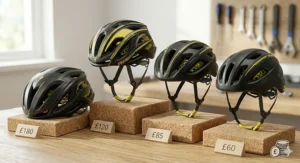
Quick Comparison Table: Best MIPS Road Cycling Helmets at a Glance
| Helmet | Price Range (GBP) | Best For | MIPS System | Weight (approx.) |
|---|---|---|---|---|
| Giro Agilis MIPS | £60–£100 | Best value all-rounder | Roc Loc 5.5 MIPS | ~250g |
| POC Omne Air MIPS | £95–£150 | Commute-to-club-ride crossover | MIPS Integra | ~324g |
| Smith Optics Signal MIPS | £85–£140 | Glasses-wearers & foggy mornings | MIPS PS | ~300g |
| Specialized Propero 4 | £130–£165 | Aero on a sensible budget | Mips Evolve | ~290g |
| Kask Protone Icon | £160–£245 | All-season comfort, Italian build | WG11 (own system) | ~230g |
| MET Trenta MIPS | £150–£200 | Climbers and long-distance riders | MIPS-C2 | ~250–285g |
| ABUS GameChanger 2.0 MIPS | £225–£280 | Aero racing, sportive PBs | MIPS Air Node | ~276g |
From the table above, the Giro Agilis earns its keep as the best entry point under £100, while the ABUS GameChanger 2.0 justifies its considerably steeper price with genuine aero gains for anyone chasing a sportive PB. Riders who split their week between commuting and weekend club runs will find the POC Omne Air or Smith Signal a smarter fit than the dedicated aero helmets, which start to feel like overkill once you’re navigating Leeds city centre traffic. Worth flagging: the Kask Protone Icon doesn’t use MIPS at all — its proprietary WG11 system does a similar job — so if “must have the MIPS logo” is a hard requirement for you, factor that in before you fall for its Italian styling.
💬 Just one click — help others make better buying decisions too! 😊
✨ Don’t Miss These Exclusive Deals!
🔍 Take your cycling safety to the next level with these carefully selected helmets. Click on any highlighted item to check current pricing and availability on Amazon.co.uk. These picks will help you find exactly what you need!
Top 7 MIPS Road Cycling Helmets: Expert Analysis
1. Giro Agilis MIPS — The Sensible One
The Giro Agilis MIPS is the helmet equivalent of a reliable Volkswagen: nothing flashy, everything that matters present and correct. It runs Giro’s Roc Loc 5.5 MIPS system, which bundles the rotational slip-plane and the fit dial into one unit rather than bolting MIPS on as an afterthought — a detail that matters more than it sounds, because it keeps the helmet from feeling top-heavy.
In practice, what 32 ventilation channels mean for a UK rider is this: on a muggy July slog up a Peak District climb, your head won’t turn into a sauna, and on a chilly January commute, you’ll want a buff or skull cap underneath, because there’s nowhere for that cold air to hide. What most British buyers overlook about this one is how forgiving the Hardbody shell is — it’s fused to the EPS liner rather than sitting as a separate skin, so the helmet shrugs off the kind of scuffs you get chaining it to railings outside the office.
Customer feedback on Amazon.co.uk consistently praises the fit and the price-to-MIPS ratio, with a handful of reviewers noting the padding wears thin after a couple of seasons of hard use — not a dealbreaker, but worth knowing if you’re a high-mileage rider. This is the helmet for someone buying their first proper road lid, or a parent eyeing up a second one for their partner without remortgaging anything.
✅ Pros:
- Genuinely excellent ventilation for the price
- Roc Loc 5.5 MIPS fit system is fiddle-free even with gloves on
- Wide range of sizes and colourways usually in stock
❌ Cons:
- Padding can degrade faster than pricier rivals
- Limited aero benefit if you’re chasing strava segments
Price & value verdict: Around £60–£100 on Amazon.co.uk depending on size and colourway — hard to beat as an entry point into proper MIPS protection.
2. POC Omne Air MIPS — The Crossover Specialist
POC Omne Air MIPS sits in that slightly awkward but genuinely useful space between commuter helmet and weekend-warrior road lid, and it does that job rather well. The MIPS Integra system is baked into the padding itself rather than hanging as a separate cage, which keeps things tidy, and the 360° dial-adjust fit means you can tune it one-handed at a red light without looking like you’re wrestling an octopus.
Here’s the real-world translation of “ten ventilation holes and five internal channels”: this isn’t the coolest helmet on a 35°C day, but for the other 350 days of typical British weather, when you’re more likely fighting drizzle than heatstroke, it does the job without fuss. The slim, low-profile shape also means it doesn’t look absurd paired with a rucksack if you’re using it for the commute half the week and a club run the other half.
UK reviewers tend to flag the helmet as slightly narrow through the temples, so it’s worth checking POC’s size guide carefully before buying, particularly if you’ve found Giro or Specialized helmets a touch loose. For a commuter in Birmingham or Cardiff who wants one helmet to do double duty rather than buying two, the Omne Air earns its place.
✅ Pros:
- One helmet covers commute and club ride duty
- Genuinely easy one-handed fit adjustment
- Sleek, low-profile look that doesn’t scream “racer”
❌ Cons:
- Narrow fit won’t suit every head shape
- Heavier than several rivals at a similar price
Price & value verdict: Around £95–£150 on Amazon.co.uk — solid value if you genuinely need the crossover versatility.
3. Smith Optics Signal MIPS — Built for Glasses Wearers
If you’ve ever ridden home in driving rain with fogged-up glasses and a death grip on the brakes, the Smith Optics Signal MIPS was built with exactly that misery in mind. Its AirEvac ventilation system is engineered specifically to integrate with Smith eyewear and channel air across the lenses, and even with non-Smith glasses, the effect on fogging is noticeable on damp British mornings.
The 21 fixed vents and Koroyd zonal coverage sound like marketing copy until you actually understand what they’re doing: Koroyd is a honeycomb-style material that crumples to absorb impact energy while staying open enough to let air through, rather than the solid foam block you’d find in cheaper helmets. Paired with the MIPS layer, that’s two separate systems working on different parts of the safety equation — crumple zone plus rotational slip — at a price that undercuts several “premium” competitors.
What most buyers overlook is the dedicated eyewear parking — slots built into the vents that hold your sunglasses securely when you’re not wearing them, useful on a grey British day when the sun decides to show up for ten minutes on a climb and disappear again. Reviewers consistently rate the VaporFit dial highly, though a few mention the helmet runs slightly large, so sizing down may be worth considering.
✅ Pros:
- Genuinely excellent for glasses-wearers, fog-free riding
- Koroyd + MIPS gives two layers of impact mitigation
- Strong value relative to the tech included
❌ Cons:
- Sizing can run large — check before buying
- Aesthetic is more “commuter-meets-MTB” than sleek roadie
Price & value verdict: Around £85–£140 on Amazon.co.uk — particularly strong value if eyewear compatibility is a priority for you.
4. Specialized Propero 4 — Aero Without the Aero Price Tag
The Specialized Propero 4 is what happens when a brand takes its £250+ flagship aero helmet, the S-Works Evade, and asks “what can we keep, and what can we sensibly cut?” The answer: keep the aerodynamic front-end shaping and most of the ventilation cleverness, swap the top-tier MIPS Air Node for the slightly heavier but still effective MIPS Evolve, and drop the price by more than half.
In practical terms, the front-end design pulled from the S-Works Evade 3 means this helmet behaves like a proper aero lid on a flat, fast Sunday club run along the A-roads outside Cambridge, without punishing you on the climbs the way some dedicated aero helmets do. Specialized’s own wind-tunnel testing claims a four-watt saving over its more ventilated Prevail model — not life-changing, but on a 100-mile audax, those small numbers add up in ways your legs will thank you for.
It’s earned the highest five-star Virginia Tech Helmet Lab rating, which matters more than most marketing claims because Virginia Tech’s testing is independent and brutally consistent. UK reviewers on Amazon.co.uk consistently mention the FS3 fit system as a standout — the occipital adjustment means it actually wraps the back of your head rather than just clamping the sides, a detail riders with rounder head shapes will appreciate.
✅ Pros:
- 5-star Virginia Tech safety rating
- Aero shaping at a genuinely accessible price
- Excellent occipital fit adjustment
❌ Cons:
- MIPS Evolve is a step down from Specialized’s top-tier MIPS Air Node
- No ANGi crash sensor compatibility, unlike older Specialized helmets
Price & value verdict: £130–£165 range on Amazon.co.uk — arguably the best “almost flagship” value on this list.
5. Kask Protone Icon — The Italian All-Rounder
Strictly speaking, the Kask Protone Icon doesn’t use MIPS at all — it relies on Kask’s own WG11 rotational impact protocol, built directly into the EPS foam and polycarbonate shell rather than added as a separate slip-plane layer. I’m including it because it’s the helmet UK riders ask about most when researching “MIPS alternatives,” and because, frankly, it would be a disservice to leave it off a buyer’s shortlist on a technicality.
What the WG11 system means in practice is a helmet that holds its shape better under stress — no creaking, no flex you didn’t want — while skipping the small amount of extra bulk a separate MIPS cage typically adds. The OctoFit+ retention system adjusts the cradle both horizontally and vertically, which sounds like a small thing until you’re trying to squeeze a thermal skull cap underneath on a frosty February morning in the Yorkshire Dales and discover there’s enough range to do it without a pressure point across your forehead.
Cycling Weekly’s own testing rated this among the most reliable all-rounders on the market, citing low weight, excellent ventilation and a comfortable fit across a long test period. Customer reviews on Amazon.co.uk back this up, with several UK buyers specifically praising how well it copes with “thoroughly damp” British summers — the Blue Tech padding wicks moisture fast enough that you’re not left with a soggy head two hours into a sodden Sunday ride.
✅ Pros:
- Excellent ventilation and all-season comfort
- OctoFit+ system offers genuinely fine-tuned adjustment
- Reflective rear insert for low-light visibility
❌ Cons:
- No MIPS branding, which matters if that’s a hard requirement
- Premium price for what some will see as “just” a well-made foam hat
Price & value verdict: £160–£245 depending on retailer and colourway — a fair price for the quality, though it sits close to comparable Specialized and POC options that do use MIPS.
6. MET Trenta MIPS — Built for the Long Haul
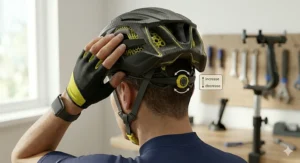
For thirty-odd years, MET has been quietly making helmets for professional cyclists who care more about marginal gains than logos, and the Trenta MIPS shows it. The MIPS-C2 brain protection system sits between the comfort padding and the EPS shell, letting the helmet “float” slightly during a crash to redirect rotational force away from your skull — MET’s own language, but the science behind it lines up with what MIPS itself claims.
The tubular rear section and internal ventilation channelling are claimed to cut air resistance by around 7% compared to a traditional helmet shape, which matters more than you’d think on a long club run where you’re sitting in a chaingang for hours rather than riding solo. Only around 30% of the helmet actually touches your head, leaving the rest open to airflow — useful information if you’ve ever finished a ride with a helmet-shaped sweat pattern and wondered why some lids run hotter than others.
The standard Trenta MIPS sits in the £150–£200 bracket, while the range-topping 3K Carbon MIPS Air version pushes towards £250+ for a genuinely featherweight carbon shell — worth it only if you’re the sort of rider who weighs their bidon. UK and European reviewers consistently flag the Trenta as a particularly good fit for oval-shaped heads that struggle in rounder helmets like the Kask Protone, so if you’ve bounced off Italian-brand helmets before, this might be the one that finally clicks.
✅ Pros:
- Genuinely effective aero/ventilation balance for long rides
- MIPS-C2 system well-regarded for comfort during adjustment
- Particularly good fit for oval head shapes
❌ Cons:
- 3K Carbon version is a significant price jump for modest weight savings
- Reflective stickers are a nice touch but not a substitute for proper lights
Price & value verdict: £150–£200 for the standard Trenta MIPS; budget closer to £250+ for the 3K Carbon MIPS Air version on Amazon.co.uk.
7. ABUS GameChanger 2.0 MIPS — The Race-Day Splurge
The ABUS GameChanger 2.0 MIPS is the helmet you buy once you’ve stopped pretending you’re not competitive. ABUS redesigned the front AirBoost vents to pull in roughly 32% more airflow than the previous model, paired with a wider rear “Aero Blade” structure that’s optimised specifically for the 46–52km/h range — translation: this helmet is built for sustained speed, not pootling.
What that aero optimisation means for a UK rider chasing a sportive PB or a Tuesday-night chaingang is a helmet that genuinely stops fighting you at speed, while still managing heat better than older aero designs thanks to the redesigned venting. The MIPS Air Node system — the same lower-profile, integrated-into-the-padding tech used in Specialized’s top-tier helmets — keeps the rotational protection without the bulk of older-style MIPS cages, and the Fidlock magnetic buckle is a small but genuinely satisfying upgrade when you’re trying to clip in with cold, numb fingers on a January time trial.
Independent UK reviewers have praised the dual glasses-docking ports as among the most secure they’ve tested, which matters if you’ve ever lost a pair of Oakleys to a pothole because your helmet’s storage slot let go. This is firmly an “if you know, you know” purchase — not the helmet for someone who rides twice a month, but a genuine contender for anyone training seriously through a British winter.
✅ Pros:
- Class-leading aero performance with strong ventilation trade-off
- MIPS Air Node integration keeps weight competitive
- Best-in-test glasses retention from UK reviewers
❌ Cons:
- Among the priciest helmets on this list
- Aero-specific shaping is overkill for casual or commuting use
Price & value verdict: £225–£280 on Amazon.co.uk — a genuine investment, best justified by racers and serious sportive riders rather than occasional cyclists.
Real-World Scenarios: Which Helmet Suits Which UK Rider?
Picture a London commuter weaving through Zone 2 traffic on a Brompton-adjacent hybrid two days a week and a carbon road bike at the weekend — for them, the POC Omne Air MIPS or Smith Optics Signal MIPS makes more sense than a dedicated aero lid, because versatility and fog-free glasses beat marginal watt savings when you’re navigating Vauxhall Cross in the rain.
For a family in a semi-detached in Sheffield with two cycling-mad teenagers and a tight household budget, the Giro Agilis MIPS lets you buy two or three helmets for the price of one premium option, without meaningfully compromising on safety credentials. And for a retired couple in the Cotswolds doing long, unhurried Sunday loops between villages, comfort and all-day ventilation matter more than aero gains — the Kask Protone Icon or MET Trenta MIPS will keep you comfortable for the four-hour ride, even if neither will shave seconds off a 10-mile TT.
If you’re training seriously for an event like the Fred Whitton Challenge or RideLondon, where every watt over 100+ miles compounds, the Specialized Propero 4 or ABUS GameChanger 2.0 earn their keep. The trick is being honest with yourself about which rider you actually are, not which one you’d like a stranger on Strava to think you are.
Practical Usage Guide: Helmet Care for British Weather
A MIPS helmet is only as good as its weakest strap on the day you actually need it, so a few minutes of maintenance pays off. After wet rides — and in Britain, that’s most of them — dry your helmet at room temperature rather than near a radiator or in direct sun, since high heat can degrade the EPS foam and the adhesive holding the MIPS layer in place over time.
Hand-wash removable padding every few weeks in lukewarm water with mild soap; this matters more in the UK than drier climates, because damp padding left in a garage or shed over winter is a genuine breeding ground for unpleasant smells and bacteria. Avoid alcohol-based sprays on faux leather chin straps, as several manufacturers specifically warn these dry the material out and cause cracking faster than normal wear would. Finally, replace your helmet after any crash involving a head impact, even if the shell looks fine — the EPS foam and MIPS layer can compress invisibly in ways that won’t show up until the next impact, when it matters most.
How to Choose the Best MIPS Road Cycling Helmet in the UK
- Start with fit, not features. A £250 helmet that doesn’t sit right on your head shape protects you less than a £70 one that does — try before you buy where possible, or check brand-specific sizing notes carefully.
- Match ventilation to your actual riding, not your aspirational riding. If most of your miles happen on damp, mild British days rather than 30°C heatwaves, an aero-leaning helmet with moderate venting will serve you better than you’d expect.
- Check for independent safety testing, ideally a Virginia Tech rating, rather than relying on brand marketing alone — it’s the closest thing the industry has to an objective benchmark.
- Decide if MIPS specifically matters to you, or if you’re open to alternative rotational protection systems like Kask’s WG11 or Lazer’s Kineticore, which take a different engineering approach to a similar problem.
- Budget for replacement, not just purchase. Helmets have a recommended lifespan of three to five years even without a crash, as UV exposure and temperature cycling degrade EPS foam over time — a relevant point in a country that swings between damp and (occasionally) blazing summer sun.
- Factor in eyewear compatibility if you wear glasses or prescription cycling sunglasses, since poor venting around the brow causes fogging that’s genuinely dangerous on fast descents.
- Don’t ignore colour and visibility, particularly given the UK’s shorter winter daylight hours — a lighter shell or reflective detailing adds a small but real margin of safety on darker commutes.
MIPS vs Other Rotational Protection Systems
MIPS isn’t the only player solving the rotational-impact problem, and it’s worth knowing the alternatives before assuming MIPS is automatically the superior choice. Kask’s WG11 protocol, used in the Protone Icon, builds rotational management directly into the foam and shell construction rather than adding a separate slip-plane layer, which keeps weight down but lacks MIPS’s broader base of independent research. Lazer’s Kineticore system, found on several budget and mid-range helmets, sculpts the EPS foam itself into a crumple-zone pattern rather than relying on a slip-plane at all.
The honest answer for most riders is that any reputable rotational protection system — MIPS, WG11, or Kineticore — represents a meaningful step up from a standard helmet with none. Choosing between them often comes down to fit and feel for your specific head shape rather than any one system being definitively “best,” so don’t let brand loyalty to the MIPS logo override a helmet that otherwise fits you better.
Common Mistakes When Buying a Road Cycling Helmet
The single most common mistake is buying based on a friend’s recommendation rather than your own head shape — a helmet that fits one rider’s rounder head can pinch and gap on someone with a longer, more oval shape, and vice versa. A close second is ignoring UKCA or CE certification entirely; every helmet on this list complies with the EN 1078 standard, but cheaper unbranded imports sometimes skip this, leaving you with a foam hat rather than genuine protection.
Riders also frequently underestimate how much British wet weather affects helmet longevity, assuming a helmet that’s “fine in the shed” is fine to keep using for six or seven years — it isn’t, given UV and temperature cycling degrade EPS foam regardless of storage. Finally, plenty of buyers fixate on weight to the gram while ignoring ventilation entirely, then wonder why they’re overheating on a muggy August climb in the Mendips.
What to Expect: Real-World Performance in British Conditions
Spec sheets rarely mention what a helmet actually feels like on a grey Tuesday in February with sideways rain coming off the Pennines, so here’s the translation. Helmets with deeper rear coverage and fewer, larger vents — think the Kask Protone Icon or MET Trenta — tend to retain a touch more warmth on cold descents, useful when you’re dropping off a climb at 40mph with wind chill doing its worst. Highly vented, aero-focused designs like the ABUS GameChanger 2.0 are brilliant for sustained effort but can feel a little draughty on long, gentle British winter rides where you’re not generating enough heat to offset the airflow.
Rain doesn’t damage modern helmets structurally, but it does highlight differences in padding — Smith’s AirEvac and MET’s Air Mesh both wick moisture noticeably faster than basic foam pads, which matters on a ride where you’re not drying out for hours. And on those rare scorching British days that catch everyone off guard, the genuinely well-vented options on this list (Giro Agilis, MET Trenta) will outperform aero-shaped helmets that simply weren’t designed with 28°C tarmac in mind.
UK Regulations, Safety Standards & Legal Requirements
There’s no legal requirement to wear a cycling helmet in England, Scotland, Wales or Northern Ireland, unlike some EU countries with mandatory helmet laws for certain age groups — though every major UK cycling body, including British Cycling, strongly recommends wearing one regardless. All helmets sold legally in the UK must meet the EN 1078 European Standard, which covers impact absorption, retention system strength, and field of vision, and since Brexit, products may additionally carry UKCA marking alongside or instead of the CE mark, depending on when and where they were manufactured.
This matters practically because some EU-manufactured helmets imported directly rather than through official UK distributors may lack UKCA marking or have inconsistent warranty support — buying through Amazon.co.uk listings from established UK or EU sellers, rather than unofficial third-party imports, gives you stronger Consumer Rights Act 2015 protections and a clearer route to returns under the Consumer Contracts Regulations’ 14-day cooling-off period.
Long-Term Cost & Maintenance in the UK
Treat a road helmet as a three-to-five-year cost, not a one-off purchase, and the numbers look different. A £70 Giro Agilis replaced every three years works out cheaper over a decade than a single £250 helmet kept for the same period beyond its safe lifespan — though obviously neither approach beats simply replacing any helmet immediately after a crash, regardless of cost. Replacement padding, where available, typically runs £15–£25 and extends comfortable use by a season or two, though as one Amazon reviewer of the Giro Agilis noted with some irritation, not every manufacturer keeps replacement pads in stock indefinitely, so factor that into brand loyalty decisions.
❓ Frequently Asked Questions
❓ Is MIPS worth the extra cost on a road cycling helmet?
❓ Do MIPS road cycling helmets ship free on Amazon.co.uk?
❓ How long does a road cycling helmet actually last?
❓ What's the difference between MIPS and Kask's WG11 system?
❓ Can I wear a road cycling helmet for commuting in the rain?
Conclusion
There isn’t a single “best” MIPS road cycling helmet so much as a best one for the rider you actually are, riding the roads you actually ride. If you want the safest bet for a tight budget, the Giro Agilis MIPS does everything reasonably asked of it without drama. If you’re chasing genuine speed and don’t mind paying for it, the ABUS GameChanger 2.0 or Specialized Propero 4 will reward you on a fast Sunday loop. And if Italian build quality and all-day comfort matter more to you than a MIPS sticker specifically, the Kask Protone Icon remains a quietly brilliant all-rounder.
Whatever you choose, the most important spec on any of these helmets is the one between your ears: wear it properly adjusted, replace it on schedule, and it’ll do its job the one time you really need it to.
✨ Don’t Miss These Exclusive Deals!
🔍 Take your road cycling safety to the next level with these carefully selected MIPS helmets. Click on any highlighted item to check current pricing and availability on Amazon.co.uk. These picks will help you find exactly what you need!
Recommended for You
- Best Lightweight Road Cycling Helmets UK 2026: 7 Expert-Tested Picks
- Road Bike Helmet Buying Guide: 7 Best Picks UK 2026
- Best Road Cycling Helmet UK 2026: 7 Expert-Tested Picks
Disclaimer: This article contains affiliate links. As an Amazon Associate, I earn from qualifying purchases. If you purchase products through these links, we may earn a small commission at no additional cost to you.
✨ Found this helpful? Share it with your mates! 💬🤗
