
In This Article
Swap a flexy nylon-soled shoe for a pair of carbon sole road cycling shoes and the difference arrives somewhere between “huh” and “oh”. You mash the pedals on a familiar climb and the bike simply goes, with none of that faint, spongy delay you didn’t know you’d been putting up with for years. A carbon sole road cycling shoe is a cycling shoe whose outsole is built from carbon fibre composite rather than nylon or fibreglass-reinforced plastic, giving a rigid platform that resists flexing under pedalling force so more of your effort reaches the crank instead of dissipating through the shoe.
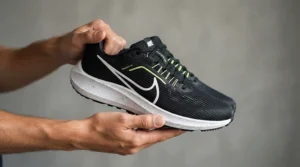
That stiffness isn’t just a marketing number on a box. It’s the reason your foot stops feeling like it’s wading through treacle on a hard sprint, and the reason serious club riders and racers have quietly made carbon soles the default rather than the exception. Prices for carbon sole road cycling shoes have also dropped sharply in the last few years — you’ll no longer need to spend £300 to get one, as this guide will show.
Below, we’ve dug into seven real, currently available carbon sole road shoes spanning budget to boutique, cross-referenced their claimed specs against independent reviews, and worked out which one actually suits your riding, your budget, and your feet. As the carbon-fibre reinforced polymer used in these soles owes its stiffness-to-weight advantage to the same aerospace-grade material science found in aircraft wings, it’s worth understanding a little of how it behaves before you commit your card details.
Quick Comparison Table
| Shoe | Price Range | Sole | Closure | Best For |
|---|---|---|---|---|
| dhb Dorica Carbon | Under £100 | Full carbon (3K weave) | Laces | Budget riders wanting laces |
| Quoc Escape Road Lace | £120-£140 range | Carbon composite | Laces | Comfort-first commuters |
| Van Rysel RCR | £170-£180 range | 100% carbon | Dual dial | Best all-round value |
| Specialized Torch 2.0 | £150-£170 range | FACT carbon | Boa dial | Stepping up from entry-level |
| Fizik Vento Powerstrap Aeroweave | £330-£360 range | R2 carbon | Velcro strap | Hot-weather sprinting |
| Shimano S-Phyre RC903 | £230-£260 range | Full carbon | Dual BOA Li2 | Race-day all-rounder |
| Nimbl Ultimate Glide | £450-£500 range | Carbon monocoque | Dual BOA Li2 | Lightest, boutique feel |
Looking across the spread, the jump from budget to mid-range buys you dual-dial adjustment and a genuinely race-rated stiffness figure, while the leap into premium territory is mostly about shaving grams and refining the upper rather than adding raw stiffness — several budget and mid-range shoes here already sit close to the ceiling of what a human leg can usefully exploit. If you’re commuting or doing sportives, the Van Rysel RCR or Specialized Torch 2.0 cover the sweet spot; racers chasing marginal gains will find more to justify the extra spend in the Shimano S-Phyre RC903 or Nimbl Ultimate Glide.
💬 Just one click — help others make better buying decisions too!😊
Top 7 Carbon Sole Road Cycling Shoes: Expert Analysis
1. dhb Dorica Carbon — full carbon sole under £100
That heading isn’t hyperbole — a genuine full carbon-fibre sole at sub-£100 pricing is still a rarity, and it’s the whole reason the Dorica Carbon exists. dhb, the in-house brand of UK retailer Wiggle, took its classic lace-up Dorica silhouette and swapped the nylon sole for the same 3K-weave carbon fibre plate used in its pricier Aeron range, which independent reviewers have confirmed delivers a noticeable stiffness step-up over the standard Dorica and most rivals at this price. In practice that means less energy bleeding out sideways through a flexing footbed on every hard pedal stroke, which matters more than most riders expect once they’ve felt the difference.
Based on the spec sheet, this is the shoe for someone who wants the performance benefit of carbon without paying the premium-brand tax, and who doesn’t mind trading Boa dials for old-school laces — a trade-off that actually pays dividends in fit precision, since laces distribute pressure more evenly across the instep than a single dial ever can. Reviewers consistently note that the biggest limitation isn’t the sole at all, but a heel cup that needs a bit of extra tightening to stop heel lift on longer rides.
Aggregated verdicts land close to a perfect score, with the laces, comfort and that carbon sole singled out repeatedly as punching well above the price point.
Pros:
- ✅ Genuine full carbon sole rarely seen under £100
- ✅ Oxford-style lace-up closure gives even, adjustable pressure
- ✅ Perforated upper keeps feet cool on warm UK days
Cons:
- ❌ Heel cup lacks the crispness of pricier dual-dial shoes
- ❌ Laces are slower to adjust mid-ride than a Boa dial
At around £90-100, this is about as cheap as a genuine carbon sole road cycling shoe gets — check current price for the latest availability, and expect strong value if lace-up styling suits you.
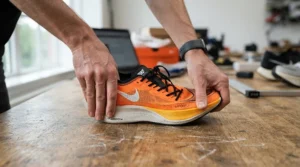
2. Quoc Escape Road Lace — best entry-level comfort with carbon composite
Quoc built its name on adventure-leaning road shoes with a distinctive aesthetic, and the Escape Road Lace brings that comfort-first philosophy to a genuinely affordable carbon composite sole. Weighing a claimed 255g in a EU42, it pairs a soft PU leather upper with double-lock anti-slip laces, adjustable cleat bolt holes (a detail often skipped at this price), and replaceable heel pads that extend the shoe’s usable life well beyond the sole warranty most brands quietly assume you won’t need.
What most buyers overlook about “carbon composite” soles like this one is that they’re a genuine middle ground — not a full unidirectional carbon plate like the S-Works-level shoes further down this list, but a carbon-and-resin blend that’s noticeably stiffer than plain nylon while keeping the shoe’s flex more forgiving for long days in the saddle. Reviewers consistently report excellent out-of-the-box comfort and a high price-to-performance ratio, though racers chasing every last watt may find themselves wanting a stiffer platform once they’re pushing serious wattage.
It’s also worth noting Quoc undercuts its own dial-equipped Escape Road model by around £20 simply by switching to laces, so cost-conscious buyers get the same sole for less.
Pros:
- ✅ Adjustable cleat bolt holes rarely found this cheap
- ✅ Replaceable heel pads extend shoe lifespan
- ✅ Comfortable PU upper suits long, exploratory rides
Cons:
- ❌ Racers may find the sole flexes under maximum efforts
- ❌ Narrower performance ceiling than full-carbon rivals
Typically listed in the £120-£140 range, the Quoc Escape Road Lace rewards riders who value all-day comfort over outright race stiffness — solid value if that’s your priority.
3. Van Rysel RCR — best value flagship-spec carbon sole
Decathlon’s in-house road brand set out to prove that racing-level kit doesn’t need a racing-level price tag, and the RCR is the clearest evidence yet. Its 100% carbon outsole carries a claimed rigidity index of 12 out of 12 on Van Rysel’s own scale, a figure independent reviewers have echoed almost verbatim, calling it “extremely rigid” and ideal for hill climbing and sprinting alike. Here’s what to weigh: that stiffness comes from a genuinely race-focused build, with dual habu Li2 rotary dials (functionally identical to Boa’s premium Li2 system) and two large sole vents for hot-weather riding, all bundled into a shoe developed alongside Decathlon AG2R’s WorldTour riders.
Weighing in around 290-315g per shoe depending on size and testing method, it isn’t the lightest shoe here, but it’s far from heavy for what it delivers. Reviewers consistently praise the “phenomenal spec for the money,” awarding it best-value honours in head-to-head tests against shoes costing considerably more.
The trade-off is a relatively narrow forefoot — great news if you have slim feet, less so if you’re used to a roomier toe box.
Pros:
- ✅ 12/12 rigidity index matches shoes twice the price
- ✅ Dual habu Li2 dials give precise, race-level fit
- ✅ Vented sole helps on warm summer rides
Cons:
- ❌ Narrow toe box won’t suit wider feet
- ❌ Upper material feels less plush than premium rivals
In the £170-£180 range, the Van Rysel RCR is arguably the single best value carbon sole road cycling shoe on this list — check current price, as Decathlon’s pricing can shift with stock levels.
4. Specialized Torch 2.0 — the natural step-up from entry-level
Sitting in the middle of Specialized’s three-tier Torch range, the Torch 2.0 exists specifically to answer the question “what’s the cheapest way into a proper carbon sole from a big performance brand?” Its FACT carbon sole carries a stiffness index in the region of 7 to 8.5 on Specialized’s internal 1-13 scale (figures vary slightly by model year), which independent testers have found “certainly more than stiff enough for the vast majority of rides,” with only the faintest flex detectable under maximum effort.
The spec sheet won’t tell you this, but user reports suggest the redesigned 2024-onwards last shape, borrowed from the range-topping S-Works Torch, fits noticeably better across the forefoot than the outgoing version — a small tweak that makes a real difference on long rides. Body Geometry footbeds, a mesh-and-TPU upper for breathability, and a single Boa IP1 dial round out a shoe reviewers have called an “easy buy” if the fit suits you.
The main complaints centre on fixed (rather than adjustable) cleat bolt holes and a non-replaceable heel tread, both minor niggles rather than deal-breakers.
Pros:
- ✅ FACT carbon sole from a genuine premium bike brand
- ✅ Redesigned last improves forefoot fit over earlier versions
- ✅ Lightweight mesh-and-TPU upper stays cool
Cons:
- ❌ Fixed cleat bolt holes limit fine positioning
- ❌ Heel tread isn’t replaceable when it wears
Priced around £150-£170, the Specialized Torch 2.0 is a smart mid-range pick for riders who want brand pedigree without S-Works pricing.
5. Fizik Vento Powerstrap Aeroweave — lightest ventilated sprinter’s sole
If your priority is shaving grams and staying cool on scorching summer sportives, the Vento Powerstrap Aeroweave is built specifically for you. Its open-weave Aeroweave upper — a woven blend of nylon fibres and thermoplastic filaments — is genuinely one of the most breathable uppers on the market, and independent testing has clocked the shoe at just 368g in a size 40.5, making it a serious rival to sprinter-focused shoes costing far more.
Paired with Fizik’s stiffest available outsole, carrying an in-house stiffness index of 10, the combination has been described by testers as “exceptionally lightweight, stiff, and highly breathable,” with two large sole vents adding extra airflow beneath the foot. Based on the spec comparison, this shoe trades away micro-adjustable dial closure — it uses a single Velcro Powerstrap instead — in exchange for lower weight and simpler, faster on-bike adjustment, a compromise sprinters and hot-climate riders tend to accept gladly.
What the marketing doesn’t emphasise is that the mesh-heavy build, while brilliant in summer, is a poor match for cool or wet British riding, where a more enclosed upper holds heat and keeps water out far better.
Pros:
- ✅ Among the lightest carbon sole road shoes on the market
- ✅ Exceptional breathability for hot-weather and indoor riding
- ✅ Stiffest outsole in Fizik’s performance range
Cons:
- ❌ Mesh upper offers little protection in cold or wet weather
- ❌ Single Velcro strap gives less micro-adjustment than dual dials
Typically found in the £330-£360 range, the Fizik Vento Powerstrap Aeroweave is a specialist’s shoe — brilliant for summer racing, less so for year-round UK commuting.
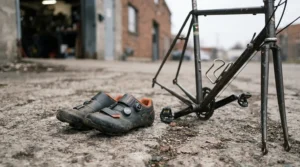
6. Shimano S-Phyre RC903 — race-proven twin-dial carbon flagship
Shimano’s S-Phyre line has featured on Grand Tour podiums, and the RC903 (also badged SH-RC903) is the shoe that keeps it there. Its full carbon outsole — carried over unchanged from the well-regarded RC902 — earns a stiffness rating of 12 on Shimano’s index, and the shoe’s 360° surround upper is bonded directly onto the sole rather than built on a separate lasting board, which Shimano says lowers stack height and improves power transfer simultaneously.
Reviewers consistently note the result is a “super stiff shoe for maximal efforts” that somehow still manages to be comfortable enough for all-day riding, a combination that’s genuinely difficult to nail. At a claimed 225g for a single shoe in size 42 (roughly 549g for a pair at size 45, once you account for larger sizing), it undercuts several rivals on weight while adding features they lack, including generously long cleat-adjustment slots that independent testers have specifically praised as best-in-class for dialling in foot position.
Dual BOA Li2 dials, micro-perforated microfibre leather, and an anti-twist heel cup complete a shoe built for riders who want race-day performance without stepping up to Shimano’s even pricier PWR sprint-specific version.
Pros:
- ✅ 12-rating carbon sole with anti-twist heel cup
- ✅ Long cleat-adjustment slots for precise foot positioning
- ✅ Dual BOA Li2 dials for secure, adjustable fit
Cons:
- ❌ Ventilation is more modest than the Fizik Aeroweave
- ❌ Premium pricing puts it above several equally stiff rivals
In the £230-£260 range, the Shimano S-Phyre RC903 remains one of the most complete race shoes on the market — check current price before Shimano’s next model refresh.
7. Nimbl Ultimate Glide — lightest, handmade boutique carbon monocoque
Handmade in Italy by a brand that’s found its way onto Grand Tour podiums despite its small size, the Ultimate Glide represents the far end of what a carbon sole road cycling shoe can be. Its monocoque carbon chassis — a single moulded carbon structure rather than a separate sole bonded to an upper — brings the stack height below 2mm, among the lowest in the category, for what independent testers describe as an exceptionally direct connection between foot and pedal.
At a claimed 190g per shoe (verified as close as 192g on independent scales), it’s dramatically lighter than every other shoe on this list, with much of that weight saving coming directly from the minimal, highly engineered sole. Reviewers consistently rate the balance of comfort, stiffness and weight as best-in-class, going as far as to call it “firmly at the top of my list as the best performance road cycling shoes on the market” after extensive testing against premium rivals.
What most buyers overlook is that despite the eye-watering price, independent reviews found it actually undercut several established flagship competitors while matching or beating their performance — a rare case of boutique pricing genuinely reflecting boutique engineering rather than just brand premium.
Pros:
- ✅ Among the lightest carbon soles available anywhere
- ✅ Sub-2mm stack height for exceptional pedal feel
- ✅ Handmade Italian construction with premium materials
Cons:
- ❌ Price puts it out of reach for most club riders
- ❌ Limited availability compared to mainstream brands
Sitting in the £450-£500 range, the Nimbl Ultimate Glide is a genuine halo product — check current price and availability, as boutique brands often run limited stock.
Practical Usage Guide: Getting the Most From Your Carbon Sole
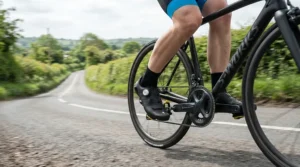
Buying the shoe is the easy part; breaking it in properly is where most riders leave performance on the table. Start by fitting cleats before your first proper ride, positioning them so the ball of your foot sits roughly over the pedal axle — a small misalignment here causes far more discomfort over a long ride than any difference between the shoes on this list. Tighten dials or laces in stages rather than cranking them fully on your first wear; carbon soles don’t stretch, so the upper needs a few rides to settle around your foot shape, and over-tightening from day one is the single most common cause of hotspots reported in early reviews of every shoe here. In the first 30 days, check cleat bolts for movement every few rides, since new shoes bed in and fixings can loosen slightly as materials settle. A common mistake is treating the shoe like a trainer off the bike — carbon soles have essentially zero grip and can be genuinely dangerous on wet tile or stone, so budget for toe covers or simply mind your step at the café stop. For maintenance, wipe the upper with a damp cloth after wet rides, keep the sole’s ventilation holes clear of grit, and store shoes away from direct heat, which can degrade the resin binding the carbon fibres over years of use.
Real-World Scenarios: Matching the Shoe to the Rider
Picture three riders and three very different priorities. First, a university student commuting eight miles each way on a tight budget, riding year-round in variable weather: the dhb Dorica Carbon or Quoc Escape Road Lace make far more sense than anything pricier, since neither commuting speed nor occasional wet grass demands race-level stiffness, and both leave money for lights, lock and waterproofs. Second, a weekend sportive rider training for their first century ride, wanting genuine performance without remortgaging anything: the Van Rysel RCR or Specialized Torch 2.0 deliver race-rated stiffness and dual-dial precision at a price that still leaves room for a decent bike fit session, which arguably matters more than the shoe itself at this stage. Third, a category-racing club cyclist chasing marginal gains across an entire season of criteriums and road races: here the Shimano S-Phyre RC903 earns its keep through cleat-adjustment range and proven race pedigree, while a rider specifically targeting hot summer criteriums might lean toward the ventilation-focused Fizik Vento Powerstrap Aeroweave instead. None of these choices are wrong — they’re simply optimised for different seasons of a cycling life.
Carbon Sole vs Nylon Sole Road Shoes
The distinction between carbon sole and nylon sole road shoes comes down to one property: how much the sole flexes under load. A nylon sole, sometimes reinforced with fibreglass, will visibly bow along its length when you stand on a pedal hard, and that bowing absorbs energy that would otherwise drive the crank round. A carbon sole resists that flex almost entirely, meaning more of your wattage output reaches the drivetrain rather than disappearing into shoe deformation. On paper this means carbon soles should always win, but the real-world picture is more nuanced. Nylon soles cost less to manufacture, tend to flex slightly at the toe when walking (which carbon soles categorically don’t), and for casual or short-distance riders the efficiency loss is genuinely marginal — most people simply aren’t generating enough force, consistently enough, to notice the difference on a Sunday club run. Where carbon earns its premium is in sustained, high-power efforts: hill climbs, sprints, time trials, and long days where fatigue makes every watt of “free” efficiency matter more. The table below summarises the practical trade-offs.
| Factor | Carbon Sole | Nylon Sole |
|---|---|---|
| Stiffness | Very high, minimal flex | Moderate, noticeable flex under load |
| Weight | Typically lighter | Usually heavier |
| Walkability | Poor grip, rigid | More flexible, often better grip |
| Typical Price | £90 upwards | Often under £70 |
| Best For | Racing, hill climbing, sprinting | Commuting, leisure, beginners |
What this table doesn’t capture is diminishing returns: the jump from a mid-stiffness nylon sole to an entry-level carbon sole like the dhb Dorica Carbon is more noticeable than the jump from that entry-level carbon sole to a flagship carbon monocoque like the Nimbl Ultimate Glide. Most riders will feel the nylon-to-carbon transition far more than they’ll feel any further carbon upgrade.
✨ Don’t Miss These Exclusive Deals!
🔍 Take your footwear to the next level with these carefully selected carbon sole shoes. Click on any highlighted item to check current pricing and availability.
Understanding the Sole Stiffness Index
Every brand on this list quotes a stiffness figure — Specialized’s runs 1 to 13, Shimano and Van Rysel both use a 1-to-12 scale, Fizik rates its outsoles up to 10 — and every single one of those numbers is proprietary and non-comparable between brands. A Van Rysel “12” and a Shimano “12” are not measuring the same thing on the same instrument; they’re each brand’s internal ranking of its own product range, which is useful for choosing between two Specialized shoes but close to meaningless when comparing a Specialized shoe against a Fizik one. Independent lab testing that measures actual millimetre deflection under a fixed load (typically around 25lbs applied at the forefoot) tells a more honest story, and it regularly throws up surprises — some carbon composite soles marketed as “stiff” have measured softer under lab conditions than certain full-carbon rivals costing less. Academic research into cycling biomechanics backs up why this matters: a University of Salford study on cleat position examining foot-to-pedal alignment found that force transfer through the foot-pedal interface has measurable effects on power output, reinforcing that sole rigidity genuinely isn’t just marketing fluff, even if the specific number on the box shouldn’t be trusted at face value. Common mistakes when buying carbon sole road cycling shoes almost always start here — comparing a “12” to an “8.5” as though they’re on the same scale, then feeling misled when the cheaper shoe doesn’t feel proportionally softer.
Lightest Carbon Sole Road Shoes: What the Numbers Really Mean
Weight chases headlines, and it’s easy to fixate on shaving 50g off a pair of shoes when a water bottle weighs ten times that. Still, shoe weight matters more than most peripheral cycling weight because it sits at the end of a rotating limb, meaning every gram costs slightly more energy to accelerate than the equivalent gram sitting still in a saddle bag. Among the shoes here, the Nimbl Ultimate Glide is the standout at a claimed 190g per shoe, achieved largely through its ultra-thin monocoque carbon chassis rather than any exotic upper material. The Fizik Vento Powerstrap Aeroweave follows at 368g for the pair-equivalent measurement used by testers, trading a little extra sole material for genuinely superior ventilation. What most buyers overlook is that a lighter shoe isn’t automatically a stiffer or more comfortable one — Nimbl’s featherweight construction works because the brand optimised the fibre layup specifically for low weight without sacrificing stiffness, which is a genuinely difficult (and expensive) engineering trick, not something that happens by accident when a brand simply uses less material. Cheaper shoes chasing light weight sometimes achieve it by thinning the sole in ways that quietly reduce stiffness too, so treat any suspiciously light, suspiciously cheap carbon shoe with a healthy dose of scepticism.
Carbon Fibre Cycling Components Beyond the Sole
Once you’ve bought into carbon sole road cycling shoes, it’s worth understanding that the same material turns up across almost every part of a modern road bike, and the engineering logic is identical each time: carbon fibre cycling components offer an exceptional strength-to-weight ratio compared with aluminium or steel, letting manufacturers remove material (and therefore weight) from frames, handlebars, seatposts and cranksets without sacrificing structural integrity. As the technical explanation of carbon-fibre reinforced polymer sets out, the material’s strength comes from aligning stiff carbon fibres within a resin matrix, and manufacturers can tune that alignment layer by layer to make a component stiff in the direction it needs to resist load while remaining lighter than a metal equivalent would ever manage. In cycling shoes specifically, that tunability is why a shoe like the Nimbl Ultimate Glide can be simultaneously stiffer underfoot and lighter than a nylon-soled shoe twice its weight — the carbon layup is engineered almost exclusively for lengthwise rigidity, where it matters for pedalling, while contributing minimal weight everywhere else. Riders investing in carbon sole shoes for the first time often go on to notice the same pattern repeated in carbon handlebars, seatposts and wheels, and understanding the shoe sole is genuinely a useful, low-cost way to learn how the material behaves before spending considerably more on a carbon frame upgrade.
How to Choose Carbon Sole Road Cycling Shoes
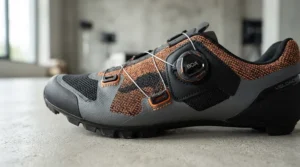
As road.cc’s own buyer’s guide puts it, road cycling shoes are designed to be light and stiff for efficient pedalling — but “light and stiff” still leaves plenty of room to get the choice wrong. Work through these steps in order.
- Decide how much stiffness you actually need. Casual and commuting riders rarely benefit from race-level stiffness indices; sportive and club riders will feel the difference on climbs and sprints.
- Check the closure system fits your riding style. Dual dials (Van Rysel, Shimano, Nimbl) suit riders who fine-tune fit mid-ride; laces (dhb, Quoc) suit riders who set it once and forget it.
- Weigh up ventilation against year-round use. Heavily vented, mesh-upper shoes like the Fizik excel in summer but perform poorly in cold or wet UK conditions.
- Try before you commit wherever possible, since fit varies meaningfully between brands — Specialized shoes run narrow, for instance, while some competitors run wider through the forefoot.
- Factor in cleat adjustability, particularly if you have any history of knee or hip discomfort while cycling, since fixed bolt holes limit how precisely you can dial in foot position.
- Match the budget to the frequency of use. A shoe ridden five times a week justifies a higher spend than one used for occasional weekend rides.
- Read aggregated review sentiment, not just spec sheets, since real-world fit and durability complaints (like a soft heel cup or non-replaceable tread) rarely show up in a bullet-point features list.
Common Mistakes When Buying Carbon Sole Road Cycling Shoes
The single most common mistake is buying based on the stiffness number alone without accounting for the fact that every brand’s scale is different, leading buyers to pass over genuinely excellent shoes because their number “looks” lower. A close second is ignoring width — carbon soles, unlike nylon ones, cannot be gently persuaded to flex around a wider foot, so a narrow-fitting shoe stays narrow no matter how long you wear it in. Buyers also frequently underestimate how differently a shoe performs off the bike; a shoe optimised entirely for stiffness (and therefore has almost zero sole flex) will feel awkward and slippery walking around a café or petrol station, which matters more than people expect on longer club rides with stops. Another recurring issue is over-tightening dial closures straight out of the box, assuming tighter automatically means better power transfer, when in reality it just cuts off circulation and causes numbness on longer rides. Finally, plenty of buyers skip checking cleat compatibility and bolt-hole adjustability until after purchase, only to discover their preferred pedal system needs a wedge or shim that a fixed-bolt shoe simply won’t accommodate.
Long-Term Cost & Maintenance: The Real Total Cost of Ownership
A carbon sole shoe’s headline price is only part of the real cost of ownership. Heel pads, when replaceable (as on the Quoc Escape Road Lace and Nimbl Ultimate Glide), typically cost a small fraction of the shoe’s price and extend usable life by years, whereas fixed heel treads (as on the Specialized Torch 2.0) mean the whole shoe effectively reaches end-of-life once that tread wears through, regardless of how healthy the sole and upper still are. Dial-based closures like Boa and habu systems typically carry lifetime guarantees on the dial mechanism itself, which meaningfully offsets their higher upfront cost versus laces, since a snapped lace costs pennies to replace while a genuinely broken dial would otherwise mean buying an entirely new shoe. Cost-per-use calculations favour the pricier shoes surprisingly often: a £450 shoe ridden four times a week for four years works out considerably cheaper per ride than a £100 shoe that needs replacing every eighteen months because a non-replaceable component wore out. That said, most leisure and commuting riders simply won’t put in enough annual mileage to make the maths favour premium shoes, which is exactly why the mid-range options on this list represent the genuine value sweet spot for the majority of UK riders.
Safety, Fit and Care Considerations
Carbon soles bring a genuine safety consideration that’s easy to overlook: their complete rigidity means they transmit shock and vibration differently to nylon soles, and riders with existing foot, knee or hip issues should be especially careful to get a proper bike fit before committing to a stiff carbon shoe, since a poorly positioned cleat on an unforgiving sole can aggravate existing discomfort faster than it would on a more forgiving material. Cycling Weekly’s own shoe buying guide consistently recommends trying shoes on with the socks you’ll actually ride in, ideally later in the day when feet have naturally swollen slightly, to avoid the common mistake of buying a size that feels perfect in a shop at 9am and painfully tight three hours into a Saturday ride. From a pure material safety standpoint, carbon fibre soles can crack under severe impact (a hard kerb strike, for example) without necessarily showing visible damage, so it’s worth periodically flexing the sole gently by hand and checking for any unusual creaking or give if you’ve had a heavy knock. None of the seven shoes here carry specific UK regulatory certification requirements, since cycling footwear isn’t subject to UKCA or CE marking in the way protective equipment like helmets is, but buying from an established retailer does at least guarantee standard UK consumer rights on faults and returns.
Frequently Asked Questions
❓ Are carbon sole road cycling shoes worth it for beginners?
❓ How much stiffer is a carbon sole than nylon?
❓ Can I walk normally in carbon sole cycling shoes?
❓ Do carbon sole shoes need to be replaced more often than nylon ones?
❓ What's the difference between carbon composite and full carbon soles?
Conclusion
Carbon sole road cycling shoes have gone from a luxury reserved for sponsored racers to a genuinely accessible upgrade, and the seven shoes covered here prove that budget doesn’t have to mean compromise on the one component that touches your pedals every single stroke. If you’re commuting or riding socially, the dhb Dorica Carbon or Quoc Escape Road Lace deliver real carbon benefits without real carbon prices. Riders training seriously for sportives or club rides will get outstanding value from the Van Rysel RCR or Specialized Torch 2.0, both of which punch well above their price bracket. And for anyone racing competitively, hunting marginal gains, or simply wanting the best the material can currently offer, the Shimano S-Phyre RC903, Fizik Vento Powerstrap Aeroweave and Nimbl Ultimate Glide each bring something genuinely different to the table — proven race pedigree, class-leading ventilation, and featherweight boutique engineering respectively. Whichever you choose, remember that the stiffness number on the box matters less than proper fit, sensible cleat positioning and a break-in period that respects the fact that carbon, unlike leather or nylon, simply won’t stretch to meet you halfway.
Recommended for You
- Budget BOA Road Shoes: 7 Brilliant Picks for 2026
- BOA Dial Road Cycling Shoes: 7 Brilliant Picks for 2026
- 7 Best SPD-SL Shoes for Racing in 2026: Stiff, Fast, Proven
Disclaimer: This article contains affiliate links. As an Amazon Associate, I earn from qualifying purchases. If you purchase products through these links, we may earn a small commission at no additional cost to you.
✨ Found this helpful? Share it with your friends! 💬🤗
