
In This Article
There’s a very particular kind of misery reserved for cyclists who get their layering wrong in November. You know the one — numb fingers fumbling with keys, a chest that feels like it’s been hollowed out by the wind, and that grim internal debate about whether the ride was really worth it. A proper winter cycling jacket is the single piece of kit that ends that debate before it starts. Not a bulky ski coat, not three jumpers under a windbreaker — a purpose-built jacket that’s been shaped, panelled and insulated specifically for the strange physics of riding a bike in the cold (you generate heat like a furnace on the climbs, then lose it in seconds on the descent).

So, what is a winter cycling jacket? It’s technical outerwear designed for sub-10°C rides, combining wind resistance, water repellence, and thermal insulation in a cut that accommodates the riding position — dropped tail, gripper cuffs, and often a fleece-backed inner face against the skin.
Below, we’ve dug into seven real jackets on the market — from budget hi-vis shells to genuine sub-zero specialists — and picked apart what the specs actually mean for your ride, not just what the marketing copy claims. Whether you’re commuting six miles in the dark or chasing club-run miles through a Peak District sleet shower, there’s a jacket here that fits the brief. If you’re cross-shopping a thermal cycling jacket review against a plain insulated cycling jacket, or wondering whether subzero cycling gear is overkill for your commute, we’ll get you there by the end of this guide.
Quick Comparison Table
| Jacket | Type | Price Range | Best For |
|---|---|---|---|
| Proviz Reflective Waterproof Commuter Jacket | Waterproof shell, fleece collar | Under £70 | Budget hi-vis commuting |
| Endura Pakajak Cycling Jacket | Packable windproof shell | Under £50 | Lightweight, changeable weather |
| Altura Nightvision Typhoon Insulated Jacket | Insulated, waterproof | £90-£130 | All-round dark winter commutes |
| Endura GV500 Insulated Jacket | Insulated softshell | £100-£140 | On-and-off-the-bike versatility |
| Gore Wear Spinshift Thermo Jacket | Thermal shell, fleece-backed | £150-£200 range | Deep winter, near-freezing rides |
| Castelli Perfetto RoS 2 Jacket | Thermal shell, water-resistant | £180-£230 range | Do-it-all roadie favourite |
| Castelli Alpha Doppio RoS Jacket | Insulated, Polartec/NeoShell | £300-£400+ range | The coldest sub-zero days |
Looking at this spread, the split isn’t just about price — it’s about how much of the year the jacket earns its keep. The Proviz Reflective Waterproof Commuter Jacket and Endura Pakajak Cycling Jacket are built for one job (staying dry and visible on a commute) and do it without asking you to remortgage. Step up to the Altura Nightvision Typhoon Insulated Jacket or Endura GV500 Insulated Jacket and you’re paying for genuine insulation that survives a proper cold snap, not just a chilly morning. At the top, the Gore Wear Spinshift Thermo Jacket, Castelli Perfetto RoS 2 Jacket and Castelli Alpha Doppio RoS Jacket are for riders who cycle through winter rather than around it.
💬 Found the jacket that’s already jumping out at you? Check today’s price before it changes!
Top 7 Winter Cycling Jackets: Expert Analysis
Here’s the honest breakdown — real specs, real aggregated review sentiment, and straight talk about who each jacket actually suits.
1. Proviz Reflective Waterproof Commuter Jacket — best hi-vis budget commuter jacket
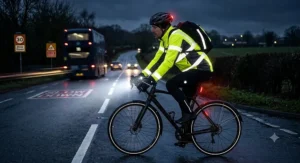
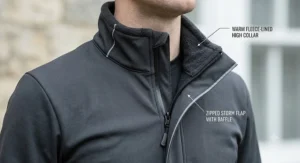
The standout here is the fully reflective printed fabric, which turns you into a rolling road sign the second headlights hit you. Under the hood, this jacket carries a 5000mm waterproof rating with taped seams, plus a fleece-lined collar that stops that horrible cold trickle down the back of your neck. In practice, a 5000mm rating means it’ll hold up against sustained heavy rain rather than just a passing shower — genuinely useful if your commute doesn’t pause for weather. This is squarely aimed at commuters riding in low-light conditions who value being seen over racing-fit tailoring; it’s not cut for club-run speed, and it knows it. Reviewers consistently report that the reflective panels are noticeably more effective than standard hi-vis yellow, particularly in wet conditions when regular reflective strips lose their bite. Some cyclists do flag that the fit runs generously boxy, which is a trade-off for the fleece lining and layering room underneath.
Pros:
- ✅ Full-jacket reflective print, not just strips
- ✅ 5000mm rating copes with sustained rain
- ✅ Fleece collar blocks neck draughts effectively
Cons:
- ❌ Boxy fit isn’t built for racing positions
- ❌ Bulkier than dedicated performance shells
Sitting under £70, this is one of the easiest budget recommendations in the whole guide — check today’s price for current stock and colourways.
2. Endura Pakajak Cycling Jacket — lightest packable shell for changeable days
What jumps out immediately is how small this thing packs down — genuinely pocket-sized, which matters more than people expect until they’re caught out by a forecast that changed its mind. The windproof ripstop fabric with a water-repellent finish handles wind-chill and light drizzle, while mesh underarm panels let heat escape before you’re drenched in your own sweat. Based on the spec sheet, this isn’t an insulated jacket at all — it’s a shell, meaning it’s designed to be layered over a thermal base rather than worn alone in genuine cold. That makes it the smart pick for riders who already own a decent thermal jersey and just need a packable outer layer for unpredictable British afternoons. Aggregated user feedback highlights the packability and the underarm ventilation as the two most-praised features, with several reviewers noting they carry it as an emergency layer on every ride, whatever the forecast says.
Pros:
- ✅ Packs down small enough for a jersey pocket
- ✅ Mesh underarms genuinely prevent overheating
- ✅ Excellent value as a layering shell
Cons:
- ❌ No standalone insulation for deep cold
- ❌ Limited waterproofing versus dedicated rain shells
At under £50, this is less a jacket and more an insurance policy — well worth checking current pricing before your next ride.
3. Altura Nightvision Typhoon Insulated Jacket — best all-rounder for dark winter commutes
The standout feature is right there in the name — Altura’s Nightvision reflective detailing, engineered specifically for low-light UK winter mornings and evenings. This is a genuinely insulated jacket, built to keep you warm and dry through a wide range of winter outdoor activities, not just cycling, which tells you something about how generously it’s cut and lined. What that means in practice: you get proper thermal retention without the racing-snug fit, so it layers comfortably over a base layer and jersey on the coldest commutes. It suits riders who prioritise all-round warmth and visibility over aerodynamics — think year-round commuters more than weekend racers. Altura backs the jacket with a genuine warranty and a straightforward returns policy, which review sentiment suggests matters to buyers who’ve been burned by cheaper alternatives falling apart after one wet season.
Pros:
- ✅ Reflective Nightvision detailing built in
- ✅ Genuine insulation for real winter warmth
- ✅ Comfortable relaxed fit for daily commuting
Cons:
- ❌ Not race-cut for performance riding
- ❌ Heavier than shell-only alternatives
Landing in the £90-£130 range, it’s worth comparing sizes carefully — Altura’s own size guide is more reliable here than guesswork.
4. Endura GV500 Insulated Jacket — best on-and-off-the-bike thermal jacket
What stands out is how well this jacket works once you’re off the saddle — it doesn’t scream “cycling gear” the way a lot of race-fit jackets do. It’s genuinely warm in freezing or low single-digit conditions, though it isn’t designed as a fully waterproof shell — it’ll shrug off light showers rather than a downpour. What most buyers overlook about this distinction is that a jacket doesn’t need to be waterproof to be a brilliant winter jacket; for short, cold, mostly-dry rides, insulation matters more than a hydrostatic head rating. It’s aimed at commuters and café-ride cyclists who want one jacket that works cycling to the shops and doesn’t look out of place once you’re there. Reviewers describe it as packable, warm and light without sacrificing functionality — and, tellingly, without the price tag that makes you wince.
Pros:
- ✅ Genuinely warm down to freezing temperatures
- ✅ Looks and fits well off the bike too
- ✅ Packable design without bulk
Cons:
- ❌ Not waterproof for sustained heavy rain
- ❌ Limited breathability on hard efforts
Sitting in the £100-£140 range, this one earns its reputation as the jacket you actually reach for daily — check current price and colour availability.
5. Gore Wear Spinshift Thermo Jacket — best for sub-zero deep-winter rides
The standout is the single-layer thermo-stretch fabric with fleece backing across front and rear, giving brilliant insulation right around and below freezing. Here’s what to weigh: a DWR (durable water repellent) treatment handles showers, but this isn’t built as a full waterproof shell, so genuinely wet rides will test its limits. What the spec sheet won’t tell you, but reviewer commentary consistently notes, is that the lack of a two-way zip limits ventilation on climbs — the thermal rear panelling that keeps you warm at 15mph on the flat can trap heat once you’re grinding uphill. This suits riders tackling genuinely cold, dry-ish conditions — frosty mornings, sub-zero commutes — more than mixed wet-and-mild winter days. Aggregated feedback is consistently positive on cold-weather performance specifically, with the ventilation trade-off flagged as the one honest caveat.
Pros:
- ✅ Excellent insulation at and below freezing
- ✅ DWR treatment copes with showers
- ✅ Fleece backing feels genuinely premium
Cons:
- ❌ Single-direction zip limits ventilation
- ❌ Not ideal for genuinely wet winter rides
At around £150-£200, it’s a specialist’s jacket for genuinely cold conditions — worth checking current pricing if your winters run properly frosty.

6. Castelli Perfetto RoS 2 Jacket — best do-it-all thermal shell for roadies
The headline feature is versatility — this is a jacket that earns its keep across autumn, winter and spring rather than three cold months a year, which genuinely helps justify the price. Key specs translate well here: enough insulation for shoulder-season riding, paired easily with a heavier base layer and thermal jersey on the properly cold days, plus water resistance that’s held up against heavy showers and road spray in testing. Based on the spec comparison against pure winter specialists, the trade-off is deliberate — Castelli prioritised breathability and a lightweight build over maximum warmth, meaning mild conditions won’t leave you drenched in sweat, which some dedicated winter jackets can’t claim. It’s the pick for riders who want one jacket to cover most of the riding calendar rather than swapping between three specialists. Review sentiment repeatedly praises this exact balance — enough warmth for winter, breathable enough not to regret it in October.
Pros:
- ✅ Genuinely versatile across three seasons
- ✅ Strong water resistance against showers and spray
- ✅ Lightweight, breathable build avoids overheating
Cons:
- ❌ Not the warmest option for true sub-zero rides
- ❌ Premium pricing versus single-season alternatives
Sitting in the £180-£230 range, this is the jacket that quietly does the most work in a wardrobe — check today’s price before deciding.
7. Castelli Alpha Doppio RoS Jacket — the halo jacket for the coldest days
There’s no getting around the standout claim here — a genuine -5°C to 12°C working range, built around a two-layer construction combining a Polartec-based outer with an Alpha thermal inner and separate double-opening zips. What that spec actually means: this jacket is engineered to still perform at temperatures most cyclists would simply stay indoors for, and the double-zip design lets you dump heat mid-ride without fully unzipping and losing wind protection. Here’s what to weigh before buying — this is a specialist tool, not an everyday jacket, and the price reflects genuinely halo-tier engineering rather than everyday commuter kit. It suits serious winter riders, year-round club cyclists, and anyone who refuses to let sub-zero cycling gear dictate their training calendar. Reviewer commentary is close to unanimous that performance matches the claims, with several noting it’s impressively light for how much warmth it delivers — rare for a jacket built to this temperature range.
Pros:
- ✅ Genuine performance down to -5°C
- ✅ Double-opening zips manage heat effectively
- ✅ Surprisingly light for its warmth class
Cons:
- ❌ Premium price puts it out of reach for casual riders
- ❌ Overkill for anyone not riding through genuine cold snaps
At £300-£400+ range, this is very much an investment piece — worth checking current price given how much this segment moves.
Practical Usage Guide: Getting the Most From Your Winter Cycling Jacket
Buying the right jacket is only half the job — how you use it in the first few weeks decides whether it earns its price tag. Start by testing the fit indoors in your actual riding position, not standing upright in a mirror; a jacket that looks snug standing still often reveals a gaping collar or riding-up hem the moment you lean onto the bars. In the first month, resist the urge to zip everything shut at the first sign of cold — venting early prevents the classic mistake of arriving at your destination sweat-soaked, which then chills you far faster once you stop moving.
Maintenance matters more than most cyclists assume. Wash technical fabrics on a cool, gentle cycle without fabric softener, which coats DWR (durable water repellent) treatments and kills their water-shedding performance within a handful of washes. Reproofing sprays exist precisely for this — a genuinely underused trick that restores water resistance on jackets that have started “wetting out” (soaking through the outer face while the inner stays technically dry). Air-dry rather than tumble-dry wherever the label allows; heat degrades membrane laminates over time.
The most common first-30-days mistake is layering wrong underneath — piling on cotton base layers, which hold moisture against skin and undo everything the jacket’s breathability is trying to do. Pair any winter cycling jacket with a synthetic or merino base layer instead, and the whole system performs as intended.
Real-World Scenarios: Matching Riders to the Right Jacket
Picture Sarah, a 20-minute commuter riding through a city centre in the dark, four mornings a week, on a budget that doesn’t stretch past £80. The Proviz Reflective Waterproof Commuter Jacket is built almost exactly for her brief — reflective visibility, genuine waterproofing, and a price that doesn’t demand a second mortgage for something worn on a short urban ride.
Now consider Dave, a weekend club cyclist doing 40-60 miles through the Peak District in temperatures that hover just above freezing, out for three or four hours at a stretch. He needs genuine thermal performance and breathability across a long ride, which points firmly at the Castelli Perfetto RoS 2 Jacket — versatile enough for a long shoulder-season ride without cooking him on the climbs.
Finally, there’s Priya, who trains through winter regardless of what the thermometer says, riding in genuine sub-zero cold several mornings a week because a race season depends on it. For her, the Castelli Alpha Doppio RoS Jacket stops being a luxury and starts being the only sensible option — a jacket engineered specifically for the conditions she can’t avoid.
Buyer’s Decision Framework
If your priority is budget and visibility over performance fit, choose a reflective waterproof shell like the Proviz Reflective Waterproof Commuter Jacket, because you’re solving for safety and dryness on short rides, not thermal extremes. If you already own good thermal layers and just need adaptable outer protection, choose a packable windproof shell like the Endura Pakajak Cycling Jacket, because flexibility matters more than built-in warmth. If you ride year-round and want one jacket to cover most conditions, choose a versatile thermal shell like the Castelli Perfetto RoS 2 Jacket, because breathability across three seasons beats maximum warmth in one. And if you’re training through genuine sub-zero cold, choose a dedicated cold-weather specialist like the Castelli Alpha Doppio RoS Jacket or Gore Wear Spinshift Thermo Jacket, because at that temperature range, insulation stops being optional.
How to Choose a Winter Cycling Jacket
Picking the right jacket comes down to seven honest questions, tackled in order:
- What’s your typical ride length? Short commutes tolerate less breathability than long club runs, where sweat build-up becomes the bigger enemy than cold.
- How cold does your riding season actually get? Be honest — most UK riders don’t need a -5°C-rated jacket; they need something solid down to around 2-5°C.
- Do you ride in the dark? If so, prioritise genuine reflective detailing over marginal thermal gains.
- Is rain or dry cold your bigger enemy? A high waterproof rating and a high insulation rating aren’t the same spec, and buyers frequently confuse them.
- What’s underneath? A jacket’s warmth is only ever half the system — pair it with the right base layer or you’ll undersell the jacket’s real performance.
- How will you carry it if you overheat? Packability matters more than people expect, especially on rides where conditions swing.
- What’s your realistic budget band? Spending £300 on subzero cycling gear for a ride that rarely drops below 8°C is money better spent elsewhere.
Insulated Cycling Jacket vs Thermal Shell Jacket: What’s the Difference
This is one of the most common points of confusion in winter kit shopping, and it’s worth untangling properly. An insulated cycling jacket, like the Endura GV500 Insulated Jacket or Altura Nightvision Typhoon Insulated Jacket, builds warmth into the garment itself — typically synthetic fill or a thick fleece-backed inner — designed to be worn with minimal layering underneath. A thermal shell jacket, like the Gore Wear Spinshift Thermo Jacket or Castelli Perfetto RoS 2 Jacket, relies more on a single warm-but-breathable fabric layer, engineered to be paired with a proper base layer and thermal jersey underneath rather than working alone.
| Feature | Insulated Jacket | Thermal Shell Jacket |
|---|---|---|
| Warmth source | Built-in fill/fleece | Single warm fabric + layering |
| Best for | Short, cold, low-effort rides | Longer, variable-effort rides |
| Breathability | Lower | Higher |
| Example | Endura GV500 Insulated Jacket | Castelli Perfetto RoS 2 Jacket |
The practical takeaway: insulated jackets win for commuting and short, steady-effort rides where you’re not generating huge amounts of body heat, while thermal shells win for longer or harder efforts where you need the fabric to breathe as hard as you do.
Common Mistakes When Buying a Winter Cycling Jacket
The single biggest mistake is buying on temperature rating alone without considering ride duration and effort level — a jacket rated for -5°C can leave a hard-riding cyclist drenched in sweat within twenty minutes if it can’t vent properly. The second is skipping a proper size guide in favour of “normal” clothing size, which routinely leads to jackets that gap at the collar or ride up at the lower back exactly where you need coverage most. A third, sneakier mistake is ignoring care instructions — machine-drying a DWR-treated shell or using fabric softener quietly kills water resistance within a handful of washes, and buyers often blame the jacket rather than the laundry habit. Finally, plenty of riders under-budget for the base layer, buying an expensive shell and pairing it with an old cotton T-shirt, which undermines the entire system’s breathability and warmth.
Thermal Cycling Jacket Reviews: What Riders Actually Report
Reading enough aggregated thermal cycling jacket review commentary reveals a consistent pattern: riders rarely complain about raw warmth — most modern winter jackets deliver on that front. What separates the well-reviewed jackets from the disappointing ones is almost always fit, ventilation control, and how the jacket behaves once conditions change mid-ride. Jackets like the Castelli Perfetto RoS 2 Jacket score consistently well because reviewers can vouch for performance across a range of conditions, not just a single cold snap. Meanwhile, single-purpose deep-winter jackets like the Gore Wear Spinshift Thermo Jacket earn praise specifically within their narrow temperature window, alongside honest caveats about ventilation once you push the pace.
Subzero Cycling Gear: What to Expect in the Coldest Conditions
Subzero cycling gear behaves differently to anything you’ll have worn commuting in a light drizzle, and it’s worth setting expectations before you spend serious money on it. Expect noticeably reduced breathability compared with three-season kit — jackets like the Castelli Alpha Doppio RoS Jacket trade some ventilation for raw thermal retention, because at -5°C, heat loss is the far bigger risk than overheating. Expect a heavier, more structured feel too; genuine sub-zero insulation adds bulk that three-season shells simply don’t carry. What the Met Office’s own guidance on cold weather makes clear is that wind chill dramatically accelerates heat loss beyond what the thermometer alone suggests — which is exactly why genuine sub-zero jackets prioritise wind blocking over pure breathability. Extremities suffer first regardless of jacket quality, so pairing subzero cycling gear with proper gloves and overshoes isn’t optional if you’re riding genuinely freezing mornings.
Long-Term Cost & Maintenance
A £350 jacket that lasts eight winters works out considerably cheaper per season than a £60 jacket replaced every year because the DWR coating failed and the seams gave up. That’s the honest maths behind investing in genuine subzero cycling gear if you ride through winter every year rather than occasionally. Total cost of ownership also depends heavily on care — reproofing sprays cost a fraction of a new jacket and can extend a shell’s working life by several seasons, provided you catch the “wetting out” symptom early rather than waiting until the jacket’s genuinely soaked through on every ride. Budget shells and packable windproof layers, like the Endura Pakajak Cycling Jacket, sit at the other end of this equation — cheap enough that replacing them every couple of seasons is a rounding error, which suits riders who only need occasional protection rather than daily winter riding.
Safety, Visibility & Regulations for Winter Riding
Winter riding brings visibility to the front of the priority list, and it’s not just common sense — the Highway Code’s rules for cyclists specifically recommend light-coloured or reflective clothing to help other road users see you in poor light and bad weather. That’s precisely why jackets like the Proviz Reflective Waterproof Commuter Jacket and Altura Nightvision Typhoon Insulated Jacket lean so heavily on genuine reflective detailing rather than a token strip on the sleeve. Cold weather itself carries its own health considerations too — the NHS’s advice on staying warm notes that layering properly and protecting extremities matters more than people assume, particularly for longer exposure. There’s no UK-specific certification scheme for cycling jacket warmth ratings, so buyers are largely reliant on brand-stated temperature ranges and aggregated review sentiment rather than a standardised test — one more reason genuine, verifiable customer feedback matters more here than marketing copy.
FAQ
❓ What temperature is a winter cycling jacket good for?
❓ Is an insulated cycling jacket better than a thermal shell jacket?
❓ Do I need a waterproof winter cycling jacket?
❓ How much should I spend on a winter cycling jacket?
❓ Can I wash a winter cycling jacket in a washing machine?
Conclusion
Getting winter cycling jacket shopping right really comes down to matching the jacket to your actual riding pattern rather than chasing the most impressive spec sheet. Budget commuters are genuinely well served by the Proviz Reflective Waterproof Commuter Jacket, while riders logging serious winter mileage will get far more from investing in something like the Castelli Perfetto RoS 2 Jacket or, for genuine sub-zero mornings, the Castelli Alpha Doppio RoS Jacket. Whatever you choose, remember that the jacket is only one part of a system — pair it with sensible base layers, look after the DWR coating, and it’ll keep earning its keep long after the first cold snap has passed.
✨ Don’t Miss These Exclusive Deals!
🔍 Take your winter riding to the next level with these carefully selected jackets. Click through to check current pricing and availability before you head out into the cold. The right jacket turns a miserable commute into just another ride! 🚴♂️❄️
Recommended for You
- Best Cycling Gilet 2026: 7 Windproof Picks Tested & Compared
- Waterproof Cycling Jacket 2026: 7 Tested Picks That Actually Work
- Padded Cycling Shorts: 7 Comfortable Picks Tested for 2026
Disclaimer: This article contains affiliate links. As an Amazon Associate, I earn from qualifying purchases. If you purchase products through these links, we may earn a small commission at no additional cost to you.
✨ Found this helpful? Share it with your friends! 💬🤗
