In This Article
Ask a room full of cyclists what ruins a long ride and you’ll hear the same groan: the saddle. Road bike saddles are the one component that carries your weight for hours on end, so a bad match turns a glorious 60-miler into a fidgety, wince-inducing slog. Get it right, though, and you forget the thing exists. That’s the whole game.

Here’s what most buyers overlook. Comfort rarely comes from soft padding or a famous badge. Shape, width and riding position do the heavy lifting. That’s why this guide leans on real specs, published tester verdicts and fit logic rather than marketing gloss. Everything here reflects research carried out in autumn 2026. All opinion is analysis of that evidence, not a claim of hands-on testing.
What are road bike saddles?
Road bike saddles are the narrow, firm, lightweight seats fitted to drop-bar bikes, shaped to support your sit bones while leaving your legs free to spin. As one of the five contact points between rider and machine, the bicycle saddle shares your weight with the pedals and handlebars, so its design matters far more than its size suggests.
Over the next few thousand words you’ll meet seven real models across budget, mid-range and premium tiers. Then we’ll work through saddle width and sit bones, saddle padding density, and bike fit and saddle height. Kettle on? Good. Let’s find you a better seat.
Road Bike Saddles at a Glance: Quick Comparison Table
Short on time? This table sorts the field quickly. Price bands are approximate and reflect figures at the time of research, so check the current price before buying.
| Saddle | Price band | Character | Best for |
|---|---|---|---|
| Pro Falcon CrMo | Around £50 | Long, flat, full-length channel | Tight budgets |
| Selle Italia Novus Boost Evo Superflow | £70-£80 | Short, firm, light | Value-minded racers |
| San Marco AllRoad Open-Fit Dynamic | £70-£80 | Grippy, flexing cut-out | Tarmac plus gravel |
| Specialized Bridge Comp with MIMIC | £85-£95 | Plush, three lengths | Upright, comfort-first riders |
| Specialized Power Expert | £100-£110 | Stubby, wide, deep cut-out | Aggressive positions |
| Fizik Tempo Argo R3 | £120-£140 | Short-nose endurance | Long days out |
| Cadex Boost | £240-£260 | Carbon, ultra-light | Weight-obsessed riders |
Looking at the comparison above, the Pro Falcon CrMo is the cheapest way into a properly shaped road saddle. The Selle Italia Novus Boost Evo Superflow and San Marco AllRoad Open-Fit Dynamic both land in the £70-£80 bracket and add refinement for a modest extra outlay. Riders who want plush foam should look at the Specialized Bridge Comp with MIMIC, while racers will gravitate towards the Specialized Power Expert or Fizik Tempo Argo R3. The Cadex Boost is the indulgence: brilliant, but only sensible if weight genuinely matters to you.
💬 Just one click — help others make better buying decisions too!😊
Top 7 Road Bike Saddles: Expert Analysis
Every saddle below is a real model drawn from published UK tester verdicts. Weights and impressions come from those reviews. Where I couldn’t verify a large pool of Amazon UK customer reviews, I’ve said so rather than invent a star rating.
1. Pro Falcon CrMo — best budget classic shape
The Pro Falcon CrMo proves a well-drawn shape beats a fancy badge. It’s a long, thin-nosed saddle from Shimano’s component arm, with a relief channel cut away through the central third. The flat profile lets you sit upright on a club run or tuck into the drops without the padded nose digging in, according to BikeRadar’s testers. At roughly 263g it isn’t a featherweight. But you’re paying around £50 rather than £250 for the privilege of shedding an extra 120g or so, and for most riders that trade is a bargain.
On paper, chromoly rails are durable and sensible, though they won’t offer the springy vibration-damping of carbon. It suits anyone replacing a worn stock seat, and anyone hunting a budget road bike saddle that doesn’t feel like a compromise. The reviewer sentiment I could verify is BikeRadar’s verdict, which praised its performance and value. Verified Amazon UK customer reviews weren’t available in enough volume to quote an aggregate.
Pros:
- ✅ Low weight for the money
- ✅ Full-length pressure-relief channel
- ✅ Flat profile works upright or tucked
Cons:
- ❌ Steel rails pass on more road buzz
- ❌ Long nose won’t suit short-saddle fans
Price check: around £50 (check current price). Superb value for a first upgrade.
2. Selle Italia Novus Boost Evo Superflow — short, light and sensibly priced
At roughly half the price of many rivals, the Selle Italia Novus Boost Evo Superflow borrows the short, flat, slightly rear-raised shape of its pricier cousins. That rear lift isn’t a gimmick. It accommodates a forward-leaning position when you’re putting in effort. A central cut-out relieves soft-tissue pressure, and at 247g it’s commendably light and well cushioned for the cash.
Now the catch. BikeRadar’s testers noted the rails are stiffer alloy rather than carbon, so the ride is less forgiving than on dearer saddles, and the hull is firm. The tip also juts out of the padding, which may irritate some riders. The spec sheet won’t tell you that, but tester notes do. My reading is that it suits riders who already like short saddles and want a racy perch without a three-figure outlay. Sensitive riders should try before committing.
Testers called it a solid, quality-built choice for the price. Again, I couldn’t verify enough customer reviews to quote an aggregate.
Pros:
- ✅ Light at roughly 247g
- ✅ Short flat shape suits forward positions
- ✅ Quality build for the price
Cons:
- ❌ Firm hull and alloy rails feel less forgiving
- ❌ Nose tip may irritate some riders
Price check: in the £70-£80 range. Strong value if the shape agrees with you.
3. San Marco AllRoad Open-Fit Dynamic — grippiest option for mixed surfaces
Britain’s B-roads are not billiard tables, which makes the San Marco AllRoad Open-Fit Dynamic quietly clever. Its long central cut-out flexes to increase cushioning. The raised rear and grippy cover stop you sliding about when the tarmac turns lumpy. An alloy-rail, carbon-shell construction brings it down to a competitive 196g on BikeRadar’s scales.
What does that mean in practice? You get a saddle that stays put whether you’re grinding a climb or rattling along a gravel lane. The rear tilt also helped pedalling efficiency in the testers’ hands, and the long thin tip doesn’t get in the way of your stroke. The honest limitation is padding: testers said it could be thicker, so riders who crave cushioning may want the Specialized Bridge Comp with MIMIC instead.
Reviewer sentiment is positive on grip and support. Large-sample Amazon UK feedback couldn’t be verified at the time of research.
Pros:
- ✅ Light at roughly 196g
- ✅ Flexing cut-out adds cushioning
- ✅ Grippy cover prevents sliding
Cons:
- ❌ Padding could be thicker
- ❌ Not a short saddle
Price check: in the £70-£80 range. Excellent value for mixed-surface riders.
4. Specialized Bridge Comp with MIMIC — plushest padding in the line-up
If most road bike saddles feel like park benches to you, the Specialized Bridge Comp with MIMIC is the antidote. It carries more padding than most, especially around the nose, plus a pressure-relieving channel with Specialized’s MIMIC technology. Testers noted softer foam than many rivals use, and it comes in three lengths.
Here’s the useful bit on saddle padding density. BikeRadar found the low- and medium-density foam across the rear supported upright riding well, while the softer nose helped when riding more aggressively. Based on the spec comparison, this suits sportive riders, returning cyclists and anyone who sits fairly upright. Keep in mind BikeRadar’s general warning that very soft saddles can make fit inconsistent over a long ride. Try it for a few rides before deciding.
Tester sentiment is favourable on comfort. I couldn’t confirm a meaningful volume of verified customer reviews.
Pros:
- ✅ Plush, generously padded nose
- ✅ Three lengths to choose from
- ✅ Pressure-relieving channel included
Cons:
- ❌ Softer foam may feel vague on long rides
- ❌ Less race-focused than firmer rivals
Price check: in the £85-£95 range. Fair value for comfort-first riders.
5. Specialized Power Expert — the short-saddle trend-setter
One of the models that kicked off the short-saddle trend, the Specialized Power Expert is stubby, wide and carries a deep central cut-out. All of it is designed to relieve soft-tissue pressure when you’re folded into an aggressive position. BikeRadar’s testers found it did exactly that, and it proved popular with both male and female testers.
Medium-grade padding offers consistent comfort without being squishy. The shell has enough flexibility for natural pedalling movement, and there’s a choice of widths, which matters because saddle width and sit bones should be matched rather than guessed. What the spec sheet won’t tell you: firm-but-forgiving saddles like this reward riders who hold a low, committed position. If you ride bolt upright, you’re paying for relief you won’t use.
Testers called it firm enough for performance riders yet comfy for many hours. Amazon UK review aggregates weren’t verifiable in volume.
Pros:
- ✅ Choice of widths
- ✅ Deep cut-out relieves soft tissue
- ✅ Flexible shell eases pedalling
Cons:
- ❌ Stubby shape feels odd to long-nose fans
- ❌ Overkill for upright riding
Price check: in the £100-£110 range. Great value for aggressive riders.
6. Fizik Tempo Argo R3 — built for all-day endurance
The Fizik Tempo Argo R3 is Fizik’s slightly longer, short-nosed saddle aimed squarely at endurance riders. A generous cut-out and a touch of extra length give you room to shuffle on those six-hour days. The firm, supportive padding is slightly thicker than on Fizik’s race saddles, which helps soak up road vibration.
Translating that: you get a stable base that doesn’t collapse under you at mile 80, with flex in the wings to allow natural movement. BikeRadar’s tester reported excellent comfort and position. The caveat is that the flex could be too great for some riders. Heavier or very powerful riders may prefer something stiffer, so consider your own build.
Reviewer sentiment centres on comfort and padding. Verified customer review volume was too thin to quote an aggregate.
Pros:
- ✅ Excellent padding and position
- ✅ Soaks up road vibration well
- ✅ Wing flex allows natural movement
Cons:
- ❌ Flex may feel excessive to some
- ❌ Pricier than budget alternatives
Price check: in the £120-£140 range. Good value for sportive and audax riders.
7. Cadex Boost — 139g carbon showpiece
At just 139g, the Cadex Boost is unusually comfortable for something that light. Standard EVA foam is augmented with ETPU, an elastic material borrowed from expensive running shoes that flexes under load. An all-in-one carbon rail and base trims weight while adding compliance to dull road buzz.
What that means on the road: you save over 120g compared with the Pro Falcon CrMo, and you get a livelier, more forgiving ride than alloy-rail rivals. BikeRadar’s only complaint was the price, and it’s a fair one. Unless you’re chasing marginal gains or building a superlight machine, the Selle Italia Novus Boost Evo Superflow will deliver most of the shape benefits for a fraction of the cost.
Testers described it as sensational. As with the others, I couldn’t verify a large pool of customer reviews.
Pros:
- ✅ Just 139g
- ✅ ETPU-augmented padding adds comfort
- ✅ Carbon rails damp road buzz
Cons:
- ❌ Very high price
- ❌ Short-nose shape suits aggressive positions
Price check: in the £240-£260 range. Premium value only for weight-obsessed riders.
Top 7 Spec Snapshot
| Saddle | Verified weight | Padding and shape notes | Best for |
|---|---|---|---|
| Pro Falcon CrMo | 263g | Flat, padded nose, long | Budget upgraders |
| Selle Italia Novus Boost Evo Superflow | 247g | Firm hull, short, cushioned | Racy riders on a budget |
| San Marco AllRoad Open-Fit Dynamic | 196g | Grippy, thinner padding | Mixed surfaces |
| Specialized Bridge Comp with MIMIC | Check maker’s spec | Soft foam, plush nose | Upright comfort seekers |
| Specialized Power Expert | Check maker’s spec | Medium padding, wide, short | Aggressive positions |
| Fizik Tempo Argo R3 | Check maker’s spec | Firm, slightly thicker | Endurance riders |
| Cadex Boost | 139g | EVA plus ETPU, carbon rails | Weight-savers |
The verified weights show a spread of 124g between the heaviest and lightest saddles here, roughly the weight of a medium banana. Most riders will never feel that difference, but they will feel the shape. If you ride long, the Fizik Tempo Argo R3 and Specialized Bridge Comp with MIMIC offer the most forgiving platforms. If you ride hard, the Specialized Power Expert keeps you planted.
✨ Don’t Miss These Carefully Selected Saddles!
🔍 Take your ride to the next level with the saddles above. Click on any highlighted product to check current pricing and availability. These picks will help you create comfortable, pain-free miles you’ll actually look forward to!
Bike Fit and Saddle Height: A Practical Setup Guide
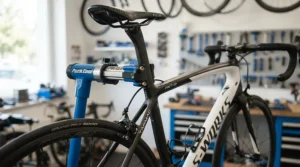
A brilliant saddle at the wrong height is like a tailored suit buttoned up wrong: expensive and irritating. BikeRadar points out that saddle discomfort is often caused by excessive saddle height or reach to the bars rather than a “bad” saddle, so sort your position before blaming the kit.
Three methods, in ascending order of effort:
- Heel method: sit on the bike with your heel on the lowest pedal. Your leg should just straighten. Treat it as a starting point.
- 109% method: multiply your inseam by 1.09 to find the distance from pedal axle to saddle top.
- Knee angle: aim for roughly 25-35° at the bottom of the stroke, ideally measured with a goniometer.
A study of nineteen trained cyclists in the Journal of Exercise Physiology online compared these approaches. The heel method fell within the 25-35° window more often than the LeMond formula, and the authors recommended the knee-angle method for accuracy. A handy rule of thumb is that about 1mm of saddle height changes knee angle by roughly 1°, so adjust in tiny steps.
Common first-30-day mistakes? Chasing comfort by dropping the saddle. Too low brings heavy legs and knee strain, while too high means rocking hips. Keep the saddle roughly level and change one thing at a time. For genuinely stubborn problems, a professional bike fit is money well spent.
Real-World Scenarios: Matching Road Bike Saddles to Real Riders
Specs are abstract. Riders are not. Here are three profiles, with budget, riding environment and frequency spelled out.
The commuter-turned-weekend-rider. You do 40 miles twice a week on mixed British tarmac and have around £50-£80 to spend. The Pro Falcon CrMo keeps costs minimal, while the San Marco AllRoad Open-Fit Dynamic adds grip and cushioning when lanes get rough. Both suit an upright-to-moderate position.
The returning sportive rider. You’re back on the bike after a break, tackling 50-mile Sunday events, sitting fairly upright, with £90-£140 available. The Specialized Bridge Comp with MIMIC offers forgiving foam, while the Fizik Tempo Argo R3 adds supportive firmness that holds up late in the day. Choose by how upright you sit.
The club racer. Eight hours a week, low and aggressive, and cost is secondary. The Specialized Power Expert is the sensible choice, with the Cadex Boost as the luxury upgrade if every gram counts.
Remember that bike fit and saddle height still apply. A saddle that suits your profile can’t compensate for a poorly set position. Match the saddle, then fine-tune the fit.
Problem → Solution: Fixing Common Saddle Pain
Saddle trouble usually has a cause you can fix. Work through these in order before spending money.
Numbness or tingling. Check height and tilt first, then consider a model with a relief channel such as the Specialized Power Expert. If symptoms persist after adjusting, speak to your GP rather than riding through it.
Aching sit bones. Counter-intuitively, this is often a width problem rather than a padding problem. Re-measure and compare against the saddle’s stated width before reaching for softer foam.
Inner-thigh chafing. A saddle that’s too wide or an awkward nose shape can rub. A narrower, flatter model like the Pro Falcon CrMo may help.
Sliding forward or back. A grippy cover and raised rear, as on the San Marco AllRoad Open-Fit Dynamic, keep you planted. Also check the saddle isn’t tilted nose-down.
Vibration fatigue on rough roads. Flexible shells and carbon-compliant designs help, so consider the Fizik Tempo Argo R3 or Cadex Boost. Tyre pressure and tyre width matter just as much as the saddle.
How to Choose Road Bike Saddles: 7 Steps
BikeRadar’s buyer’s guide to the best road bike saddles stresses that shape and width matter more than brand. Here’s a simple route to a good decision.
- Measure your sit bones. This sets your width starting point. Details follow in the next section.
- Match shape to position. Flat saddles suit riders who stay put, while more curved shapes suit riders who move around.
- Choose a length. Short-nose designs fix you in one position. Longer saddles offer room to shift.
- Pick a relief style. Cut-outs and channels reduce soft-tissue pressure. Some saddles, such as the Prologo Scratch M5, rely on padding placement instead.
- Decide on padding. Firmer is generally better for road riding, as covered below.
- Check your fit first. Save money by ruling out saddle height and reach issues.
- Try before you commit. If possible, test at a shop or check the seller’s returns policy.
Follow these steps and your shortlist should shrink from dozens to two or three candidates quickly.
Saddle Width and Sit Bones: Getting the Measurement Right
Your sit bones (ischial tuberosities, if you want to impress someone at a dinner party) are the bony points that should carry your weight. Saddle width and sit bones need to line up, or pressure shifts onto soft tissue.
Here’s the home method, as described in Ribble’s saddle guide. Place corrugated cardboard on a firm seat, sit on it with your feet raised to mimic your riding position, then stand and measure the distance between the centres of the two indents. Ribble then suggests adding 10mm for endurance road riding. Another retailer guide recommends adding 10-30mm depending on how upright you ride, so more upright means more width.
One warning. Manufacturers define saddle width differently, so always check how the brand measures. Some bike shops and brands also offer in-store measuring devices, such as Specialized’s, and a full bike fit can include pressure mapping. Specialized offers widths on the Specialized Power Expert, which makes sizing far easier.
If you land between sizes, size up. Too narrow forces your sit bones off the edge, while slightly wider rarely hurts.
Saddle Padding Density: Why Firmer Often Wins
It’s tempting to assume more foam equals more comfort. BikeRadar says the opposite: when it comes to padding, less is often more, because shape is the biggest determinant of comfort. That’s why even full-carbon saddles can feel surprisingly comfortable.
Why does firm foam win on the road? Soft foam compresses unevenly, which can make fit inconsistent over a long ride. If pressure builds in one area, the cause is usually shape or width rather than too little padding. BikeRadar generally recommends harder padding for road cycling.
Clever manufacturers now vary saddle padding density within a single saddle. The Specialized Bridge Comp with MIMIC uses low- and medium-density foam across the rear with a softer nose. BikeRadar’s reviewers also described the Selle Italia Novus Boost Evo 3D Kit Carbonio Superflow as using firm padding on the wings to support your sit bones, with a spongier nose to protect soft tissue.
Practical takeaway: judge a saddle by how it distributes load, not by how it feels when you squeeze it in the shop. A good pair of padded bibs can handle the cushioning you want without wrecking your support.

Road Saddle vs Mountain Bike Saddle: What Actually Differs
Can you swap one onto the other? You can, but they’re built for different jobs. According to road.cc’s comparison, road saddles are longer and narrower, which helps riders sustain cadence and pedal stroke. Mountain saddles are typically heavier because their rails and structure are engineered for more impact loading.
| Feature | Road saddle | Mountain bike saddle | Why it matters |
|---|---|---|---|
| Shape | Longer, narrower | Wider, shorter | Affects pedalling freedom |
| Weight | Lighter | Often heavier | Rails built for impact |
| Durability | Adequate for tarmac | More robust | Rough terrain stresses rails |
| Best for | Drop bars, steady cadence | Rough terrain, movement | Match to your riding |
Looking at the comparison above, the road saddle vs mountain bike saddle debate comes down to loading and movement. If you ride tarmac, a road saddle saves weight and keeps your thighs clear. If you ride rough gravel regularly, a tougher shell may last longer. BikeRadar also notes that some off-road saddles use flexible wing panels or more compliant shells to cut trail vibration.
For commuters wanting a rugged option, the Brooks Cambium C15 has a nylon-covered vulcanised rubber shell suited to touring and commuting. BikeRadar’s tester found it too firm for pacy road riding, which tells you its priorities lie elsewhere.
Budget Road Bike Saddle: How Little Can You Spend?
You don’t need £250 to stop hurting. A budget road bike saddle in the £50-£80 range can match far dearer options for comfort if the shape is right. BikeRadar’s tester described the Pro Falcon CrMo as well worth the money at around £50, and the Selle Italia Novus Boost Evo Superflow costs half as much as many saddles on the same list.
Think in cost-per-use terms. A £75 saddle ridden for 2,000 miles in a season works out at under 4p a mile. A £250 saddle needs to deliver genuinely better comfort to justify the premium. The Selle Italia Novus Boost Evo Kit Carbonio, for instance, costs at least three times as much as its Evo Boost sibling and, according to BikeRadar, doesn’t outperform it to the same extent.
Where should you spend your money? Prioritise width and shape, then rails and shell, then weight. If you can only afford one upgrade, a well-fitted £50-£80 saddle plus a proper bike fit will beat an expensive saddle on a badly set-up bike. Prices fluctuate, so check current price before buying.
Common Mistakes When Buying Road Bike Saddles
Buying on padding alone. As covered, more foam does not guarantee comfort. Shape and width decide whether you’re happy at mile 60.
Ignoring sit-bone width. Guessing a size is the fastest route to a numb afternoon. Measure first.
Blaming the saddle for fit problems. Excessive saddle height or reach can mimic a bad saddle. Revisit bike fit and saddle height before buying anything.
Choosing a saddle for the wrong job. The Brooks Cambium C15 is a solid commuting and touring seat, yet BikeRadar’s tester found it unsuited to pacy road riding. Match the saddle to your actual riding.
Chasing pro-team looks. A short, aggressive saddle forces an aggressive position. If you ride upright, you may be better served by the Specialized Bridge Comp with MIMIC.
Changing everything at once. Alter one variable at a time, whether that’s height, tilt or the saddle itself. Otherwise you’ll never know what worked.
Features That Actually Matter (And Those That Don’t)
The marketing blurb on road bike saddles can read like a perfume advert. Here’s the filter.
Matters: shape, width, relief channel or cut-out, and shell flex. These determine how pressure is distributed and whether you can stay comfortable for hours.
Matters a bit: rail material. Carbon rails, as on the Cadex Boost, add compliance and cut weight, while alloy rails on the Selle Italia Novus Boost Evo Superflow ride less forgivingly. Worth paying for if you ride rough roads often, not otherwise.
Doesn’t matter much: the last few grams. The 124g gap between the heaviest and lightest saddles here is lost in the weight of a full water bottle.
Beware: 3D-printed open-matrix designs. BikeRadar found the Fizik Antares Versus Evo 00 Adaptive let grime penetrate the padding, and the Specialized S-Works Power Mirror would be time-consuming to clean after winter muck. Gorgeous in summer, fiddly in February.
Doesn’t matter at all: the logo. Your sit bones can’t read.
FAQ
❓ Are expensive road bike saddles worth the money?
❓ Are carbon rails worth paying for on road bike saddles?
❓ Is a short-nose saddle better than a traditional one?
❓ Should I buy a road bike saddle before or after a bike fit?
❓ Where can I buy road bike saddles in the UK?
Conclusion
Choosing among road bike saddles isn’t about finding the plushest or priciest option. It’s about matching shape, width and padding to your body and riding position, then making sure your bike fit and saddle height give that saddle a fair chance.
If you want a cheap, proven shape, the Pro Falcon CrMo is hard to beat. The Selle Italia Novus Boost Evo Superflow and San Marco AllRoad Open-Fit Dynamic add refinement at modest cost. Upright riders should consider the Specialized Bridge Comp with MIMIC, while aggressive riders will be happy on the Specialized Power Expert. For long, hard days, the Fizik Tempo Argo R3 is a strong all-rounder, and the Cadex Boost is the luxury treat for riders chasing every gram.
Measure your sit bones, set your height carefully, change one thing at a time, and be patient. A saddle you forget about is the best saddle of all.
Recommended for You
- Look Keo Cleats For Racing: 7 Proven Picks Under £25 (2026)
- Best Look Keo Cleats: 7 Top Picks Ranked For 2026
- SPD-SL Cleats For Knee Comfort: 7 Best Picks For UK Riders (2026)
Disclaimer: This article contains affiliate links. As an Amazon Associate, I earn from qualifying purchases. If you purchase products through these links, we may earn a small commission at no additional cost to you.
✨ Found this helpful? Share it with your friends! 💬🤗
