In This Article
There’s a very specific kind of misery reserved for cyclists fumbling with sweat-slicked Velcro straps at a red light, one shoe half-done, traffic building behind them. If you’ve been there, you already understand the appeal of a dial. A budget BOA road shoe uses a small mechanical dial, a steel lace and a set of low-friction guides to snug the upper evenly across your foot in one smooth twist — no straps, no laces to double-knot, no wrestling. It’s the same basic idea that transformed snowboard boots two decades ago, now filtering down into road cycling shoes that cost a fraction of what the pros wear.
The good news for anyone shopping in 2026 is that the technology has trickled a long way down the price ladder. What used to be the reserve of £300 race shoes is now standard kit on options hovering around the £100 mark, and the gap between “cheap” and “genuinely good” has narrowed considerably. That’s not marketing spin — it’s a direct result of brands like Shimano, Specialized and Fizik pushing their higher-tier dial systems into entry and mid-range ranges to stay competitive.
This guide digs into seven real, currently available options, weighs up where each one earns its keep, and works through the practical stuff that actually affects your riding: fit, stiffness, ventilation, and whether that dial will still be clicking smoothly in three years’ time. Whether you’re upgrading from your first pair of clip-ins or hunting for a second, more comfortable pair for long weekend rides, there’s a sensible pick in here for you. Along the way we’ll also cover what separates single-dial closure systems from twin-dial setups, and where the genuine affordable cycling upgrades lie versus where you’re just paying for a logo.
Quick Comparison Table
| Shoe | Closure | Sole | Approx. Weight | Price Range | Best For |
|---|---|---|---|---|---|
| Fizik Vento Omna | Single Li2 BOA dial | Nylon-reinforced | ~527g/pair | Under £100 | First-time BOA buyers |
| Specialized Torch 1.0 | Single BOA L6 | Nylon composite | ~530g/pair | Under £100 | All-round entry rider |
| Scott Road Comp BOA | Single BOA + lace + Velcro | Nylon/glass fibre | ~544g/pair | Under £110 | Relaxed, roomy endurance fit |
| Shimano RC3 (SH-RC300) | Offset BOA L6 | Fibreglass-reinforced nylon | ~510g/pair | £90-£125 range | Hilly commutes and training |
| Bontrager Circuit | Single BOA L6 + Velcro | Nylon composite Bronze Series | ~500g/pair | £120-£140 range | Warm-weather ventilation |
| Fizik Tempo Overcurve R5 | BOA IP1 dial + Velcro | Carbon-reinforced nylon | ~530g/pair | £130-£150 range | Narrow feet, all-day comfort |
| Giro Cadet | Single BOA L6 + strap | Carbon-reinforced nylon | ~532g/pair | £140-£160 range | Stiffest sole near the ceiling |
Looking at the spread above, there’s a clear pattern: every shoe on this list uses at least one genuine BOA dial, but what separates them is the sole material and how the rest of the upper is finished. The Fizik Vento Omna and Specialized Torch 1.0 prove that sub-£100 pricing no longer means a compromised closure system, while Giro Cadet and Fizik Tempo Overcurve R5 show what an extra £40-£50 buys in sole stiffness and upper construction. If you’re commuting through variable UK weather, ventilation and sole flex matter more day-to-day than outright stiffness — something worth weighing before you fixate on the priciest option purely because it’s priciest.
💬 Found a shoe that jumps out already? Check today’s price and availability before you carry on reading — stock and colourways shift fast at this end of the market.😊
Top 7 Budget BOA Road Shoes Under £150: Expert Analysis
Seven shoes made this list after digging through spec sheets, brand documentation and aggregated review sentiment from cycling publications and retailer feedback. None of these are invented — every model below is a real, currently sold product, and every claim about fit, sole stiffness or ventilation is grounded in that research rather than guesswork.
1. Fizik Vento Omna — best value single-dial entry point
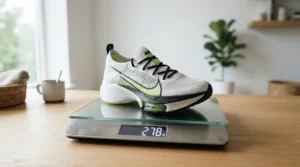
The standout here is simple: a genuine, bi-directional micro-adjustable BOA dial at a price where you’d normally expect Velcro. The single Li2 dial tightens and loosens in small increments, which is unusual at this end of the market and genuinely useful once you’re twenty miles in and your feet have swollen slightly. The nylon-reinforced sole keeps weight down to around 527g a pair while offering a reasonably stiff pedalling platform, and the perforated PU upper is built for warm-weather riding.
Based on the spec comparison, this is the shoe for someone who’s never owned a dial-closure shoe before and wants to find out what the fuss is about without committing serious money. The wide size range, spanning 36 to 48 including half sizes, also makes it one of the more accommodating options here for riders who struggle to find a fit elsewhere.
Reviewers consistently note that the ventilation, while present, doesn’t quite keep pace with the shoe’s looks — several testers found their feet ran warmer than expected on long summer rides despite the large toe vent. That’s a fair trade-off at this price, and it’s the kind of honest caveat worth knowing before you buy rather than after.
Pros:
- ✅ Bi-directional BOA dial rare at this price point
- ✅ Competitively light for a budget-tier shoe
- ✅ Wide size range including half sizes
Cons:
- ❌ Ventilation underwhelms on hot, long rides
- ❌ Nylon sole flexes more than carbon rivals
At around £90-£100, the Fizik Vento Omna represents strong value for a first proper road shoe, particularly if a two-way dial matters more to you than outright sole stiffness.
2. Specialized Torch 1.0 — best all-rounder BOA dial under £100
What most buyers overlook about this model is how much trickle-down tech it carries from Specialized’s much pricier S-Works range. The BOA L6 dial is backed by Specialized’s lifetime guarantee, and the shoe leans on the brand’s Body Geometry design principles — data-driven ergonomics originally developed for its top-tier race shoes — to shape the footbed and reduce pressure points.
The injection-moulded nylon composite sole carries a stiffness rating of six out of thirteen on Specialized’s own scale, which sits in sensible middle ground: stiff enough for efficient pedalling, forgiving enough that you won’t dread walking into the café. At roughly 530g a pair, it’s not the lightest shoe here, but the trade-off buys genuine heel-cup padding and a well-vented, perforated synthetic upper.
Aggregated reviewer sentiment is consistently positive on fit and comfort, though testers have flagged that recent versions run a little roomy through the toe box and have dropped SPD (two-bolt) compatibility in favour of three-bolt only — worth checking if you currently ride SPD cleats on a commuter setup.
Pros:
- ✅ Lifetime-guaranteed BOA L6 dial system
- ✅ Body Geometry design aids comfort on long rides
- ✅ Reflective heel elements improve low-light visibility
Cons:
- ❌ Fit runs generously roomy for some feet
- ❌ No longer compatible with two-bolt SPD cleats
Priced around £90-£100, the Specialized Torch 1.0 is arguably the strongest all-rounder on this list for someone wanting one shoe that does everything reasonably well.
3. Scott Road Comp BOA — best relaxed fit for long, comfortable rides
The standout feature here is Scott’s “sport fit” last, a deliberately roomier shape than the brand’s performance or racing lasts, paired with a single BOA dial, a lacing system and a small Velcro toe strap. That combination sounds fussier than it is in practice — the dial handles the bulk of the tightening, while the strap and lacing quietly do the rest.
Scott rates the nylon and glass-fibre sole at six out of ten for stiffness, a sensible middle-of-the-road figure that favours comfort over raw efficiency. Ventilation is well thought through too, with mesh panelling over the toes, along the sides and under the sole itself. Here’s what to weigh before buying: at 544g a pair, this is one of the heavier shoes on this list, so if low weight is your priority, look elsewhere on this page.
Reviewers consistently frame this as a beginner- or comfort-focused shoe rather than a racing tool, which tracks with Scott’s own positioning of it as the entry point into their road range, aimed at riders who want a “club fit” over a competition fit.
Pros:
- ✅ Roomier sport fit suits swelling feet on long rides
- ✅ Well-ventilated mesh panels across toes and sole
- ✅ Detailed cleat-positioning markings on the outsole
Cons:
- ❌ Heaviest shoe on this list at 544g a pair
- ❌ Single dial and lace less precise than twin-dial rivals
At around £90-£110, the Scott Road Comp BOA earns its place as a genuinely comfortable option for riders who prioritise all-day wearability over stiffness numbers.
4. Shimano RC3 (SH-RC300) — best power transfer for hilly training routes
Shimano positioned this shoe to bring its higher-end S-Phyre “Surround” upper design down to a genuinely affordable price, and on paper this means a wraparound synthetic leather construction that minimises overlap and hugs the foot more precisely than a typical layered upper. The offset BOA L6 dial sits on a centre flap rather than dead-centre on the tongue, which keeps the profile low and avoids pressure directly over the top of the foot.
The fibreglass-reinforced nylon sole isn’t the stiffest in this group, but it pairs with an unusually contoured heel cup for the price, and a sliding cleat plate offers roughly a centimetre of fore-and-aft adjustment — useful if you’re still dialling in your ideal cleat position. What the spec sheet won’t tell you, but reviewers note, is that sizing tends to run slightly small, so ordering half a size up is a common recommendation among buyers.
Aggregated feedback across retailer review sections is strongly positive, with the BOA closure repeatedly singled out as easy to use and a noticeable upgrade for riders switching from their first Velcro-strap shoes.
Pros:
- ✅ Offset BOA L6 dial keeps a sleek, low profile
- ✅ Contoured heel cup unusual at this price
- ✅ Sliding cleat plate for fine fore-aft adjustment
Cons:
- ❌ Sizing runs small — order up if between sizes
- ❌ Sole stiffness modest for faster or hillier riding
Typically priced in the £90-£125 range depending on retailer and colourway, the Shimano RC3 is a smart pick for anyone building base miles or tackling regular climbs without race-day ambitions.
5. Bontrager Circuit — best ventilation for warm-weather riding
Unusually for a shoe at this price, Bontrager fitted the Circuit with an upper-mounted BOA L6 dial rather than relying purely on Velcro, and it’s paired with a nylon composite “Bronze Series” sole using the brand’s PowerTruss design to add stiffness without piling on weight. The result is one of the lighter shoes in this whole line-up at roughly 500g a pair, which matters more than you’d think over a four-hour ride.
Based on the spec comparison, the sole’s seven-out-of-fourteen stiffness rating sits below the carbon-soled options further up the price ladder, but the shoe compensates with genuinely generous perforation across the upper and a roomy “InForm Race” last that suits wider feet. It also supports both two-bolt SPD and three-bolt cleats, a versatility feature that’s increasingly rare below £150.
Reviewers consistently flag one specific quirk: the L6 dial can only be loosened by popping it open fully and re-tightening from scratch, rather than incrementally backing off like a twin-dial IP1 system. It’s a minor inconvenience rather than a dealbreaker, but worth knowing before your first long ride.
Pros:
- ✅ Dual 2-bolt SPD and 3-bolt cleat compatibility
- ✅ Genuinely light at roughly 500g a pair
- ✅ Well-vented upper for warm UK summer rides
Cons:
- ❌ BOA L6 dial can’t loosen incrementally on the fly
- ❌ Sole flexes noticeably compared with carbon rivals
Sitting around £120-£140, the Bontrager Circuit is a strong mid-tier pick if breathability and cleat versatility matter more to you than outright sole rigidity.
6. Fizik Tempo Overcurve R5 — best for narrow feet and all-day comfort
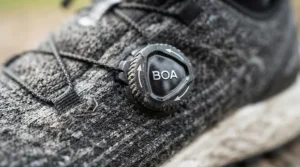
The Overcurve name refers to a staggered ankle collar designed around the natural asymmetry of your ankle bones, and it genuinely changes how the shoe sits compared with a conventional straight-cut collar — early impressions from testers consistently describe it as noticeably comfortable from the first wear. It’s finished with a BOA IP1 dial, a step up from the L6 units on cheaper shoes here because it can be loosened in small increments rather than only released in one go, paired with a single Velcro strap over the forefoot.
The carbon-reinforced nylon sole is supple enough for long days in the saddle without sacrificing much pedalling efficiency, and substantial heel and toe bumpers protect the sole and make walking around before and after a ride noticeably less awkward than on some racier alternatives.
What the spec sheet won’t tell you, but reviewers note repeatedly, is that this shoe suits narrower feet specifically — testers with wider feet have reported pressure on the outside of the foot, so it’s worth trying on rather than buying blind if your feet run wide.
Pros:
- ✅ BOA IP1 dial loosens incrementally, not just fully
- ✅ Substantial heel and toe bumpers aid durability
- ✅ Distinctive Overcurve collar reduces ankle pressure points
Cons:
- ❌ Narrow last unsuitable for wider feet
- ❌ Velcro forefoot strap offers only limited extra adjustment
At an RRP typically around £140, though frequently found in the £130-£150 range, the Fizik Tempo Overcurve R5 looks and feels considerably pricier than its actual position in Fizik’s range.
7. Giro Cadet — best stiffness-to-price ratio near the £150 ceiling
The Cadet borrows its one-piece Synchwire upper directly from Giro’s pricier Regime shoe, a stitch-less, thermo-bonded construction built for durability and airflow in one. Giro claims a sole stiffness figure of around 80 N/mm thanks to a carbon-fibre-reinforced plate, and independent lab testing found it genuinely outperforming some pricier, more “performance-oriented” rivals in outright deflection numbers — a rare case of a budget-adjacent shoe beating shoes that cost considerably more.
The single BOA L6 dial tightens in 1mm increments and is combined with double-crossed lacing that Giro says distributes pressure more evenly than a simple straight pull, and dual 2-bolt SPD/3-bolt cleat compatibility adds welcome flexibility for commuters who also ride indoors.
Here’s what to weigh before buying: aggregated reviewer sentiment consistently flags that this shoe sizes up small and that the stock insole isn’t supportive enough for genuinely long rides, with several testers recommending an aftermarket insole swap for anyone riding beyond a couple of hours at a time.
Pros:
- ✅ Carbon-reinforced sole rivals pricier “performance” shoes
- ✅ One-piece Synchwire upper aids durability and airflow
- ✅ Dual cleat compatibility for road and indoor use
Cons:
- ❌ Sizing runs small — try before buying if possible
- ❌ Stock insole lacks support on longer rides
At around £140-£160, the Giro Cadet sits right at the edge of what most people would call “budget,” but the sole stiffness on offer genuinely justifies stretching to it if performance matters more to you than staying strictly under £150.
Setting Up and Maintaining Your BOA Road Shoes
Getting the most from any of these seven shoes starts before you even clip in. On your first ride, tighten the dial in stages rather than cranking it fully closed straight away — click it a few notches, ride for five minutes, then adjust again once your foot has settled into the shoe. Most fit complaints in the first month come from over-tightening on day one, not from a genuinely poor-fitting shoe.
BOA dials are largely maintenance-free, but they’re not entirely indestructible. Rinse road grit and mud off the dial and cable guides after wet rides, since grit trapped in the mechanism is the most common cause of a sticky or unresponsive dial over time. Avoid pulling directly on the lace itself when putting shoes on or off; use the heel loop or tongue instead, since repeated lace-yanking is a leading cause of premature cable wear.
A common early mistake is leaving the dial at the same tension for every ride regardless of sock thickness or weather. Thinner summer socks and thicker winter socks change how much room your foot needs, so treat the dial as something to actively adjust each ride rather than a “set once and forget” fitting. Most BOA-equipped shoes, including several on this list, come with a manufacturer’s lifetime guarantee on the dial and cable itself — register your purchase where the brand allows it, since replacement parts are usually free even years down the line.
Which Budget BOA Road Shoe Suits Your Riding Style?
Picture three riders. The first is commuting eight miles each way across a UK city, mixing damp mornings with the occasional heatwave — for this rider, the ventilated Bontrager Circuit or the wide-fitting Fizik Vento Omna make more sense than a stiffer race shoe, since comfort and airflow matter more than shaving grams on a nine-mile commute.
The second rider is training for a first sportive, clocking sixty to eighty miles most weekends and starting to notice hot spots on longer efforts. Here, the roomier Scott Road Comp BOA or the well-cushioned Specialized Torch 1.0 offer the kind of all-day comfort that a stiffer, race-oriented sole can’t always match, particularly on rides that stretch past the three-hour mark.
The third rider already owns a decent bike and wants a genuine performance upgrade without spending S-Works money. For them, the Giro Cadet or Fizik Tempo Overcurve R5 deliver sole stiffness and upper construction that punches above their price bracket, provided their feet suit the narrower lasts these two shoes favour. Matching the shoe to the actual riding you do, rather than the riding you aspire to do, is consistently the difference between a shoe you love and one that ends up back in its box after a month.
Solving the Most Common BOA Road Shoe Problems
Problem: the dial won’t loosen properly. This is almost always grit or road salt in the cable guides rather than a failed mechanism — a quick rinse and a few full tighten-loosen cycles usually restores smooth movement, and most brands will replace the dial free of charge if it persists.
Problem: hot spots or numbness on longer rides. Before assuming the shoe is wrong for you, check that the dial isn’t over-tightened in one specific zone; loosen fully and re-tighten evenly from the toe backwards rather than cranking the top of the dial hardest.
Problem: the shoe feels roomy after a few weeks. Uppers made from synthetic leather and PU do stretch slightly with wear. If a shoe that fitted snugly at first now feels loose, an aftermarket insole with a touch more volume, rather than a full shoe replacement, is often the cheaper fix.
Problem: squeaking or creaking when pedalling. This is more often the cleat-to-pedal interface than the shoe itself — check cleat bolts are torqued correctly before blaming the shoe.
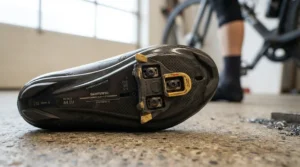
Problem: uncertain which cleat system to buy. Every shoe on this list uses the standard three-bolt SPD-SL/Look pattern, with several also offering two-bolt SPD compatibility for commuting or indoor use, so check your pedals before ordering rather than after.
How to Choose Budget BOA Road Shoes
Picking between seven genuinely decent options comes down to a short list of practical criteria rather than brand loyalty:
- Match sole stiffness to your riding. A stiffer carbon-reinforced sole like the Giro Cadet‘s transfers more power but feels harsher on rough surfaces; a flexier nylon sole suits commuting and longer, more relaxed rides.
- Check cleat compatibility before anything else. If you already own pedals, confirm whether you need two-bolt SPD, three-bolt SPD-SL/Look, or both — several shoes here support both, others don’t.
- Consider your foot shape honestly. Narrower lasts like the Fizik Tempo Overcurve R5 suit slim feet beautifully and pinch wider feet uncomfortably; roomier lasts like the Scott Road Comp BOA work the other way round.
- Weigh single-dial against twin-dial closure. A single dial is lighter and cheaper; a twin-dial setup, generally found further up the price range, distributes pressure more evenly across the whole foot.
- Factor in ventilation for how you actually ride. Year-round UK commuters benefit more from perforated, breathable uppers than from marginal weight savings.
- Read the sizing notes, not just the size chart. Several shoes on this list run notably small or large — that single detail affects comfort more than almost any spec on paper.
- Set a genuine budget ceiling and stick to it. The jump from £90 to £150 buys real stiffness and construction gains, but only if that extra spend matches how seriously you actually ride.
Single-Dial vs Dual-Dial Closure Systems Explained
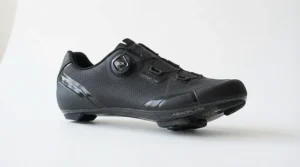
Single-dial closure systems, found on five of the seven shoes in this guide, use one BOA dial to control the entire upper via a single lacing pattern. They’re lighter, marginally cheaper to produce, and perfectly capable of a secure fit for the vast majority of riders and foot shapes. The trade-off is that pressure distribution relies more heavily on how the lace guides are routed through the upper, since one dial is doing all the work.
Dual-dial systems split that job in two, typically with one dial controlling the forefoot and a second handling the midfoot or ankle area independently. This allows a genuinely tailored fit — tightening the toe box without cranking the ankle, for example — which matters most for riders with unusual foot shapes, wide forefeet paired with narrow heels, or anyone who’s struggled with hot spots on single-dial shoes in the past.
For most riders shopping in the sub-£150 bracket, a well-fitted single-dial shoe like the Specialized Torch 1.0 or Shimano RC3 will feel entirely secure and won’t leave you wishing for a second dial. Reviewers consistently note that dual-dial setups only start to feel genuinely necessary once you’re pushing into longer, harder efforts where marginal fit issues become magnified over several hours.
Budget BOA Road Shoes for Beginners and Commuters
If you’re newer to clipless pedals altogether, prioritise a roomier last and forgiving sole flex over outright stiffness — the Scott Road Comp BOA and Fizik Vento Omna are both built with comfort-first geometry that’s more forgiving while you’re still learning to clip in and out smoothly at junctions. A wide size range, including half sizes where offered, also matters more for beginners still working out their true fit.
Commuters have a slightly different priority list. Two-bolt SPD compatibility matters if you want to walk comfortably off the bike, so the Bontrager Circuit‘s dual cleat compatibility, or the Giro Cadet‘s similar flexibility, are worth prioritising over a shoe locked into three-bolt only. Ventilation and weather resistance also matter more for daily riders than for weekend-only cyclists, since a commuting shoe faces far more cumulative wet-weather exposure over a year.
Long-Term Cost & Maintenance: Are BOA Dials Worth It?
The upfront price difference between a Velcro-strap shoe and a BOA-equipped one has narrowed to almost nothing at the budget end of the market, which changes the value calculation considerably. Where BOA genuinely earns its keep over the ownership period is durability: Velcro loses its grip gradually through wear and washing, typically needing replacement or acceptance of a looser fit within a couple of seasons, while BOA dials are largely mechanical and, on every shoe in this guide, backed by a manufacturer guarantee covering the dial and cable for the shoe’s lifetime.
Cost-per-use works out strongly in BOA’s favour for anyone riding more than a handful of times a month. A £100 BOA shoe used twice weekly for three years works out to roughly 65p per ride even before accounting for the fact that a well-maintained BOA closure will likely still be performing at day-one standards long after a comparable Velcro strap has loosened up. The main ongoing cost to budget for isn’t the dial itself but the insole — several shoes here, including the Giro Cadet, benefit from an aftermarket insole upgrade after twelve to eighteen months of regular use, typically adding another £20-£30 to total ownership cost.
Frequently Asked Questions
❓ Are BOA road shoes worth it for a beginner?
❓ Can you repair a BOA dial yourself?
❓ Do cheaper BOA road shoes fit true to size?
❓ What's the difference between BOA L6 and BOA IP1 dials?
❓ How much should I spend on my first pair of road cycling shoes?
Conclusion
Choosing between seven genuinely well-specified shoes ultimately comes down to matching the shoe to your actual riding rather than chasing the highest stiffness number on a spec sheet. If you’re buying your first pair of clip-ins, the forgiving fit of the Scott Road Comp BOA or Fizik Vento Omna removes a lot of the early-days awkwardness. If you’re commuting through UK weather most of the year, ventilation and cleat versatility on the Bontrager Circuit earn their keep more than raw sole stiffness ever will. And if you’re chasing genuine performance without stretching into three-figure-plus S-Works territory, both the Giro Cadet and Fizik Tempo Overcurve R5 prove that budget BOA road shoes can hold their own against far pricier rivals.
Whichever you land on, the core appeal holds across all seven: a reliable, low-maintenance dial that beats laces and Velcro on convenience, without demanding premium-shoe money to get there. Check current pricing and colourway availability before you commit, since stock at this end of the market shifts regularly, and prices may vary between retailers even for the same model.
✨ Ready to retire the Velcro straps for good? Browse today’s picks, compare current prices, and treat your feet to a proper dial-in fit this season! 🚴♂️⚡
Recommended for You
- BOA Dial Road Cycling Shoes: 7 Brilliant Picks for 2026
- 7 Best SPD-SL Shoes for Racing in 2026: Stiff, Fast, Proven
- Best SPD-SL Shoes 2026: 7 Brilliant Road Cleats Rated
Disclaimer: This article contains affiliate links. As an Amazon Associate, I earn from qualifying purchases. If you purchase products through these links, we may earn a small commission at no additional cost to you. Prices and availability were accurate at the time of research and may vary — always check current pricing before purchasing.
✨ Found this helpful? Share it with a fellow cyclist who’s still fighting with their Velcro straps! 💬🤗
