
In This Article
Right, let’s get the confession out of the way first: most cyclists own at least one base layer that’s either too sweaty, too smelly, or both. If you’ve ever peeled off a synthetic top after a long ride and caught a whiff that made you recoil, you already understand why a merino cycling base layer keeps coming up in every serious rider’s kit list. It isn’t hype. It isn’t a marketing department’s fever dream. It’s a genuinely different material doing a genuinely different job against your skin.
This guide digs into seven real products currently sold through amazon.co.uk and other UK retailers, spanning budget-friendly options through to properly premium picks, so you can work out which merino base layer for cycling actually suits your riding, your budget, and your washing machine’s patience. We’ve pulled together real specifications, aggregated review sentiment from independent testers, and honest comparative analysis — not a rehashed product listing.
Along the way we’ll cover why merino wool benefits go well beyond “it’s warm,” how odour resistant merino fabric actually behaves in the real world, and where natural fibre cycling wear falls short compared with synthetics. We’ll also look at when a merino base layer for cycling is the wrong call entirely, because no fabric is perfect for every ride.
Whether you’re commuting through a British winter, training through spring drizzle, or simply fed up with washing a top after every single ride, there’s a sensible option ahead. Let’s get into it.
What Is a Merino Cycling Base Layer?
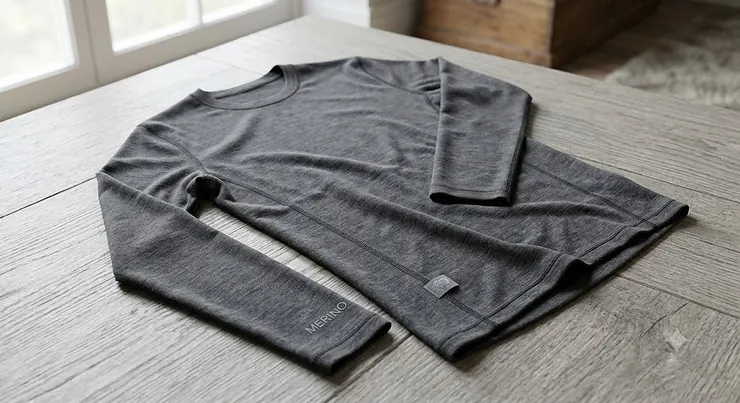
A merino cycling base layer is a close-fitting top, usually short or long-sleeved, made from fine merino wool or a merino-synthetic blend, worn directly against the skin under a jersey. It regulates temperature, wicks moisture away from the body, and resists picking up odour between washes — making it a popular choice for commuting, touring, and multi-day rides.
Merino comes from Merino sheep, a breed originally developed in Spain and now farmed extensively in Australia and New Zealand, prized for producing exceptionally fine, soft fibres compared with traditional wool. You can read more about the breed’s history and characteristics on Wikipedia. What matters for cyclists is the fibre diameter — typically under 20 microns — which is fine enough to sit against skin without the itch older wools are known for.
Quick Comparison Table
| Category | Product | Merino Content | Best For |
|---|---|---|---|
| Best Budget | dhb Merino M_200 | 100% | Riders wanting pure wool without the premium price |
| Best UK Brand Value | Endura BaaBaa Merino | Merino blend | Everyday commuting and easy-care washing |
| Best Winter Warmth | dhb Aeron Merino Long Sleeve | 100% | Cold, wet UK winter rides |
| Best Blended Performance | Sportful Merino Layer Tee | ~30% merino blend | High-collar warmth with wicking |
| Best Balanced Blend | Le Col Merino Base Layer | 65% merino blend | Versatile temperature range |
| Best Premium Cut | Rapha Merino Base Layer | 100% | Comfort-focused riders who want the softest feel |
| Best All-Rounder | Icebreaker Merino 200 Oasis | 100% | Multi-season, multi-activity versatility |
Looking at the spread here, there’s a clear pattern: pure 100% merino options tend to sit at either end of the price scale (budget dhb, premium Rapha and Icebreaker), while the blended options in the middle trade a little warmth-to-weight performance for better fit and stretch. If you’re brand new to merino cycling gear, the middle of this table is the least risky place to start, since blended fabrics are more forgiving of imperfect layering choices.
💬 Just one click — help others make better buying decisions too!😊
Top 7 Merino Cycling Base Layers: Expert Analysis
1. dhb Merino M_200 — best pure merino on a budget
The standout here is simple: full 100% merino wool construction at a price point that usually undercuts every other pure-wool option on this list. The M_200 designation refers to its roughly 200gsm mid-weight fabric, spun from fine Australian merino fibres, which sits in the sweet spot between summer-weight and heavyweight thermal layers.
At this weight, expect solid warmth for autumn and spring rides without the layer feeling like overkill the moment you start climbing. Flatlock seams keep chafing to a minimum under a fitted jersey, and the fabric’s fine micron count means it avoids the itch some cheaper wool blends are known for. Based on the spec comparison against pricier rivals here, the dhb Merino M_200 doesn’t skimp on fibre quality just because it skimps on price — it’s simply a leaner operation with less marketing spend baked in.
Reviewers consistently report strong durability across a year or more of regular winter use, with the base layer holding its shape through repeated 30°C wool-cycle washes. A common theme in aggregated feedback is genuine surprise at how much base layer you get for the outlay, though a handful of buyers note the cut runs slightly boxy compared with race-fit synthetics.
Pros:
- ✅ 100% merino wool at a genuinely accessible price
- ✅ Flatlock seams reduce chafing under tight jerseys
- ✅ Holds shape well after repeated machine washes
Cons:
- ❌ Looser cut than race-fit synthetic alternatives
- ❌ Slower to dry than blended or synthetic base layers
Priced in the £30-£40 range at the time of research, the dhb Merino M_200 is arguably the easiest entry point into merino cycling wear — check current price before buying, as stock and pricing shift regularly.
2. Endura BaaBaa Merino — best British-brand value pick
Endura built its reputation on genuinely useful, unfussy cycling kit, and the standout feature of the Endura BaaBaa Merino is exactly that: no-nonsense construction from a brand that understands wet British roads better than most.
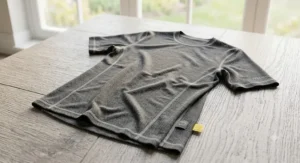
This short-sleeve base layer uses a merino-rich blend designed specifically for cycling’s hunched-forward riding position, with a longer back panel to avoid gaps at the waistband when you’re bent over the bars. Flatlock seams run throughout, and the fabric is explicitly designed to be machine washable without the fuss some pure-wool garments demand. What most buyers overlook about this model is that the cycling-specific cut matters as much as the fibre content — a merino top designed for standing upright fits differently once you’re leant over a top tube.
Aggregated review sentiment from UK cycling retailers points to strong satisfaction with everyday comfort and reliable moisture management on damp commutes, though a smaller number of long-term owners mention the merino blend pilling slightly faster than pricier 100% wool options after eighteen months or so of regular wear.
Pros:
- ✅ Cycling-specific cut with extended back panel
- ✅ Genuinely easy-care machine washing
- ✅ Reliable moisture handling on damp UK commutes
Cons:
- ❌ Some pilling reported after extended long-term use
- ❌ Blend means slightly less warmth than pure merino options
At around £25-£35, the Endura BaaBaa Merino is a smart choice for riders who want UK-brand reliability without stretching to the premium end of this list.
3. dhb Aeron Merino Long Sleeve — best for deep winter rides
The clear standout advantage of the dhb Aeron Merino Long Sleeve is its purpose-built focus on the coldest, wettest rides of the year, rather than trying to be a do-it-all garment.
Independent reviewers have highlighted this as a genuinely strong performer specifically in low single-digit temperatures, where a 100% merino long-sleeve construction earns its keep by continuing to insulate even once it’s picked up sweat or drizzle. On paper this means you get the warmth-when-wet property merino is famous for, translated into a garment cut long enough in the arms and body to avoid gaps under a winter jacket.
Here’s what to weigh: this isn’t the layer for a brisk fifteen-minute commute in October, and it will feel like overkill on anything above around 8°C. But for genuine deep-winter rides, reviewers have rated it as “brilliant,” calling out both the warmth and the value proposition at its price point relative to premium alternatives. Aggregated feedback suggests buyers are particularly pleased with how well it holds up over repeated winter seasons.
Pros:
- ✅ Genuine deep-winter warmth from full merino construction
- ✅ Long-cut arms and body avoid gaps under jackets
- ✅ Strong value relative to premium winter alternatives
Cons:
- ❌ Too warm for anything above mild autumn temperatures
- ❌ Longer drying time typical of full merino construction
At roughly £40-£50, the dhb Aeron Merino Long Sleeve earns its reputation as one of the best-value dedicated winter base layers currently available through UK retailers.
4. Sportful Merino Layer Tee — best blended warmth-to-weight ratio
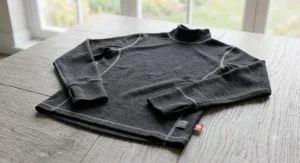
What sets the Sportful Merino Layer Tee apart is its higher collar design, adding extra insulation exactly where cold air tends to sneak in around the neck on faster descents.
Constructed from a blend that includes roughly 30% merino wool alongside synthetic fibres, this base layer weighs in as a genuinely lightweight garment despite its relatively open weave — a combination that shouldn’t work as well as it does. Reviewers note comfortable performance down to around 10°C, with good wicking performance that outpaces pure merino in higher-output efforts. Based on the spec comparison, the partial-merino approach here trades some of merino’s peak warmth-when-wet performance for meaningfully faster drying and a closer, more aero-friendly fit.
Aggregated review sentiment is broadly positive on comfort and moisture management, with reviewers noting the shorter body length can occasionally ride up and let in cold spots around the waist on longer rides — a fit quirk worth knowing before you commit.
Pros:
- ✅ High collar adds welcome neck insulation on descents
- ✅ Faster drying than 100% merino equivalents
- ✅ Close, race-friendly fit under aero jerseys
Cons:
- ❌ Shorter body length can ride up on longer rides
- ❌ Less warmth-when-wet than pure merino options
Expect to pay somewhere in the £45-£55 range, positioning the Sportful Merino Layer Tee as a sensible middle-ground pick for riders who want some merino benefit without sacrificing a performance fit.
5. Le Col Merino Base Layer — best balanced temperature range
The headline advantage of the Le Col Merino Base Layer is its genuinely broad usable temperature window, with the brand citing effective use from around 15°C right down to freezing.
Built from a considered blend of roughly 65% merino wool, 30% polyamide and 5% elastane, this base layer aims squarely at the “one top for most of the year” brief that a lot of riders are actually looking for. The polyamide content boosts durability and stretch recovery compared with pure wool, while the merino majority still delivers meaningful odour control and warmth-when-damp performance. What most buyers overlook about blended ratios like this is that the elastane content, though small, has an outsized effect on how well the garment holds its shape under a snug jersey after dozens of washes.
Reviewers consistently frame this as a strong all-rounder rather than a specialist, with aggregated feedback praising the versatility across the shoulder seasons in particular, when swapping base layers twice a week becomes tiresome.
Pros:
- ✅ Broad usable temperature range across most seasons
- ✅ Elastane content improves shape retention over time
- ✅ Genuine all-rounder rather than a single-season piece
Cons:
- ❌ Not a specialist for the very coldest days
- ❌ Sits at a higher price than pure-budget alternatives
At around £55-£65, the Le Col Merino Base Layer suits riders who’d rather own one excellent, versatile base layer than several narrow specialists.

6. Rapha Merino Base Layer — best premium comfort and feel
The standout feature of the Rapha Merino Base Layer is simply how it feels the moment you pull it on — testers consistently single out the softness as noticeably ahead of every other option in this category.
Constructed from 100% merino wool with a slightly more relaxed cut than tighter race-fit rivals, this base layer prioritises comfort over aggressive aerodynamics. That looser fit is a double-edged sword: it means the garment layers more comfortably under a variety of jerseys and jackets, but reviewers have noted it won’t disappear under a tight aero jersey the way a closer-cut synthetic would. Based on the spec comparison, the trade-off here is entirely intentional — Rapha has built a lifestyle-adjacent piece as much as a pure performance garment, and it shows in the finishing detail.
Aggregated customer sentiment describes this as one of the most comfortable base layers testers have worn, with the relaxed cut adding genuine day-to-day versatility beyond strict cycling use.
Pros:
- ✅ Exceptionally soft merino handle against the skin
- ✅ Relaxed cut layers comfortably under multiple jackets
- ✅ Doubles as casual off-bike wear thanks to its cut
Cons:
- ❌ Won’t disappear under a tight aero-fit jersey
- ❌ Premium pricing compared with cycling-specific rivals
Sitting in the £60-£75 bracket, the Rapha Merino Base Layer is aimed at riders who value comfort and finish as much as outright performance — check current price, as Rapha’s pricing can shift with seasonal ranges.
7. Icebreaker Merino 200 Oasis — best multi-season all-rounder
The Icebreaker Merino 200 Oasis stands out for genuine cross-activity versatility, built from 100% merino at a 200 g/m² weight that sits precisely between lightweight summer layers and heavyweight winter thermals.
This midweight construction means it works comfortably across skiing, hiking, and cycling alike, with gusseted underarms for freedom of movement and forward-shifted shoulder seams that avoid rubbing under jersey pockets or backpack straps. What the spec sheet won’t tell you, but reviewers note, is that this versatility comes with a genuine trade-off: it’s not the fastest-drying option here, and testers have flagged it as less suited to sustained high-output efforts where you’re generating serious sweat volume, since pure merino simply holds more moisture than synthetic blends.
Reviewers consistently rate it as a dependable, comfortable “workhorse” rather than a specialist, with feedback highlighting genuine odour resistance across multi-day trips and consistently strong scores for softness against the skin. It’s worth noting this sits at the more expensive end of the pure-merino field, reflecting Icebreaker’s positioning as a premium natural-fibre specialist.
Pros:
- ✅ Genuine multi-season, multi-activity versatility
- ✅ Gusseted underarms and shifted seams aid comfort
- ✅ Strong reputation for odour control over multiple days
Cons:
- ❌ Slower drying than synthetic or blended alternatives
- ❌ Premium pricing among pure-merino competitors
Typically priced in the £85-£95 range converted from its home-market pricing, the Icebreaker Merino 200 Oasis suits riders who want one exceptional base layer that also earns its keep off the bike.
Merino Wool Benefits for Cyclists, Explained
It’s easy to list merino wool benefits as a bullet-point cliché — “warm, breathable, odour-resistant” — without actually explaining why any of that matters mid-ride. Here’s the honest version.
Merino fibres are hygroscopic, meaning they absorb moisture vapour into the fibre core before it ever becomes liquid sweat on your skin. In practice, this means a merino cycling base layer can absorb a genuinely large proportion of its own dry weight in moisture before it starts to feel wet against your body — which is precisely why merino continues to insulate even once you’ve broken a proper sweat on a climb, unlike cotton, which simply saturates and clings.
The crimped structure of merino fibre also traps small pockets of air, which is the actual mechanism behind its warmth-to-weight ratio — not magic, just physics. That same structure gives merino natural stretch and recovery, which is part of why well-made merino base layers hold their shape through a season of hard washing better than you might expect from “just wool.”
None of this makes merino automatically superior to synthetics for every rider. If you’re doing sustained high-output intervals in warm weather, a technical synthetic will typically wick and dry faster. But for variable-intensity riding, commuting, and touring — where you’re not permanently drenched — merino’s benefits translate into genuinely fewer layer changes and less laundry.
Natural Fibre Performance Wear: Why Cyclists Are Switching
There’s a broader shift happening across natural fibre performance wear generally, not just in cycling, and it’s worth understanding the “why” rather than treating it as a passing trend.
Synthetic performance fabrics were engineered specifically to solve problems natural fibres struggled with decades ago — durability, quick drying, low cost at scale. They succeeded, and for a long time synthetics dominated technical sportswear almost entirely. What’s changed is a growing appetite among riders for natural fibre cycling wear that solves the remaining problems synthetics never quite cracked: persistent odour build-up after repeated wear, and the slightly clammy feel synthetics can develop once truly saturated.
Merino isn’t the only natural fibre making a comeback in performance categories — bamboo and even silk base layers have found niche followings — but merino remains the dominant choice specifically because its fibre diameter can be engineered fine enough to avoid the itch associated with traditional wool, while retaining wool’s genuine thermal and odour-management properties.
The honest trade-off is durability and drying speed. Natural fibre cycling wear, merino included, generally can’t match a well-engineered synthetic for abrasion resistance or bounce-back-from-soaked speed. That’s precisely why several products on this list — the Sportful Merino Layer Tee and Le Col Merino Base Layer among them — deliberately blend merino with synthetic fibres rather than going all-in on 100% wool.
Odour-Resistant Merino: The Science Bit
“Odour resistant merino” gets thrown around a lot in marketing copy, so it’s worth being precise about what the actual research shows — because it’s more nuanced than the usual pitch.
Recent scientific coverage explains that merino’s fine, highly curved fibres boost softness and comfort, and that the fibre’s surface structure modulates conditions for bacteria in a way that slows odour formation — even though merino isn’t inherently antibacterial in itself. That’s a meaningfully different claim from “merino kills bacteria,” and it matters for honest buying decisions: you’re not getting a self-sterilising garment, you’re getting one that genuinely delays and reduces odour build-up through fibre structure and moisture absorption. Further detail on the mechanism is available in this phys.org science explainer.
In practice, on the bike, this translates into a base layer you can reasonably wear across two or three moderate rides before it starts to smell — something no synthetic in this price range reliably manages. For multi-day touring or commuting five days a week without daily washing, that’s a genuine, measurable practical benefit rather than marketing fluff.
Where the nuance matters: odour-resistant merino still needs proper washing eventually, and skipping washes indefinitely simply delays rather than eliminates the inevitable. Reviewers across several products on this list — particularly the Icebreaker Merino 200 Oasis and dhb Merino M_200 — specifically praise multi-day odour performance, which lines up with the fibre-structure explanation above rather than contradicting it.
Merino vs Synthetic Base Layers: Which Wins Where
| Factor | Merino | Synthetic |
|---|---|---|
| Odour resistance | Genuinely strong over multiple wears | Weaker; smells build faster |
| Drying speed | Slower, especially 100% merino | Faster, often significantly |
| Warmth when wet | Retains insulating properties | Loses warmth once saturated |
| Durability | Can pill or thin with heavy use | Generally more abrasion-resistant |
| Cost | Mid-to-premium pricing | Often cheaper at entry level |
| Best For | Commuting, touring, variable-intensity riding | High-output training, racing, hot climates |
The table above makes the trade-off pretty clear: merino wins decisively on comfort and odour over multiple wears, while synthetics still have the edge for sustained hard efforts and faster turnarounds between rides. Neither fabric is objectively “better” in isolation — the right call depends entirely on how you actually ride. A rider doing structured interval training five times a week has genuinely different needs from someone commuting twice daily and washing kit once a week.
✨ Don’t Miss These Exclusive Deals!
🔍 Take your merino cycling base layer shopping to the next level with these carefully selected products. Click on any highlighted item to check current pricing and availability. These picks will help you build a genuinely comfortable winter kit you’ll actually want to wear!

How to Choose a Merino Cycling Base Layer
Picking the right merino base layer for cycling comes down to matching fabric weight and cut to how and where you actually ride. Here’s a practical, step-by-step approach:
- Identify your typical ride length and intensity. Short, hard efforts favour lighter blends; long, steady rides favour heavier pure merino.
- Match weight to season. Lightweight (150-180gsm) suits spring and autumn; midweight (200gsm) covers most UK winters; only go heavier for genuinely sub-zero riding.
- Decide between 100% merino and a blend. Pure merino maximises odour resistance and warmth-when-wet; blends dry faster and hold their shape longer under hard washing.
- Check the cut for cycling specifically. A longer back panel and gusseted underarms matter more than they sound — generic wool tops cut for standing upright often gap at the waist when you’re hunched over the bars.
- Consider your laundry habits honestly. If you’re not going to hand-wash or use a delicates bag, favour blends with better wash resilience over delicate 100% merino pieces.
- Factor in budget against expected lifespan. A pricier merino base layer that lasts four winters can work out cheaper per wear than a budget synthetic replaced annually.
- Read genuine aggregated reviews, not just star ratings. Look specifically for repeated mentions of fit, pilling, and odour performance over months of use, not just first-impressions.
Common Mistakes When Buying a Merino Cycling Base Layer
Even experienced riders trip up on a handful of predictable errors when buying into merino for the first time.
The most common mistake is buying based on percentage of merino alone, assuming “more merino equals better.” In reality, a well-engineered 65% blend like the Le Col Merino Base Layer can outperform a lower-quality 100% merino piece for cycling-specific comfort and durability. Fibre quality and garment engineering matter just as much as raw percentage.
A second frequent error is ignoring wash instructions and machine-drying merino on heat, which shrinks and felts the fibres irreversibly — a mistake that’s entirely avoidable and entirely the buyer’s responsibility, not the garment’s fault. A third is buying a heavyweight winter piece like the dhb Aeron Merino Long Sleeve for year-round use, then being surprised when it overheats on a mild fifty-degree afternoon. Match weight to season, not to “the one you already own.”
Finally, plenty of buyers underestimate sizing. Merino has less stretch recovery than synthetic-heavy fabrics unless elastane is blended in, so a snug base layer that fits perfectly on the hanger can feel restrictive once you’re leant forward over the bars for two hours.
Practical Usage Guide: Getting the Most From Your Base Layer
Setup and first use matter more with merino than with synthetics, largely because early washing mistakes are the single biggest cause of disappointment.
Before the first ride, wash on a genuine wool cycle at 30°C using a wool-specific detergent, and resist the urge to tumble dry — lay flat instead. This first wash actually helps the fibres settle into shape rather than damaging them, provided the temperature and agitation stay low. For ongoing maintenance, most riders can genuinely get away with washing every two to three wears rather than after every single ride, which is part of the point of choosing merino in the first place — for further general guidance on layering strategy for UK conditions, Cycling UK’s winter clothing advice is a solid, practical reference point.
A common mistake in the first thirty days is over-layering underneath a jersey, effectively cancelling out the base layer’s job by trapping too much heat and moisture between layers. Let the base layer do the work it’s designed for, and add a mid-layer only once temperatures genuinely demand it. Store merino base layers folded rather than on hangers to avoid shoulder stretch over time, and use a mesh laundry bag if your machine is rough on delicate fabrics — several reviewers specifically credit this simple habit with extending garment life by years rather than months.
One optimisation trick worth knowing: rotating two base layers rather than owning just one dramatically extends the wash cycle between each garment, effectively doubling the odour-resistance benefit merino already provides.
Real-World Scenarios: Matching Riders to Base Layers
The daily commuter, five days a week, mixed weather. For this rider, the Endura BaaBaa Merino or dhb Merino M_200 make the most sense — both are genuinely wash-tolerant, cycling-cut, and priced to survive daily use without feeling precious. Budget here matters more than ultimate performance, since the garment is doing five rides a week, every week.
The weekend long-distance rider, variable intensity, occasional multi-day tours. Here, the Le Col Merino Base Layer or Icebreaker Merino 200 Oasis are the sensible picks, since both are built for genuine versatility across changing conditions and multiple consecutive days without daily washing. The higher upfront cost is offset by fewer garment changes needed per trip.
The deep-winter specialist, riding through the coldest months regardless of conditions. For this rider, the dhb Aeron Merino Long Sleeve is purpose-built, offering genuine warmth-when-wet performance for genuinely cold, wet UK winter rides where a lighter base layer simply won’t cut it.
The comfort-and-feel prioritiser, who values how kit feels as much as how it performs. The Rapha Merino Base Layer suits this rider precisely because its relaxed cut and exceptional softness prioritise everyday comfort over aggressive aero positioning.
Buyer’s Decision Framework
If you ride mostly short, hard efforts in mild weather, choose a lightweight blend like the Sportful Merino Layer Tee, because pure merino’s slower drying works against you at high output.
If you commute daily and hate doing laundry, choose a wash-tolerant budget pick like the Endura BaaBaa Merino or dhb Merino M_200, because durability under frequent washing matters more than ultimate warmth.
If you tour multi-day or ride variable UK weather year-round, choose a versatile blend like the Le Col Merino Base Layer, because one garment covering multiple seasons beats owning several narrow specialists.
If deep winter cold is your priority, choose a dedicated heavyweight option like the dhb Aeron Merino Long Sleeve, because specialist warmth-when-wet performance outweighs everything else on genuinely freezing rides.
Long-Term Cost & Maintenance
Merino base layers cost more upfront than most synthetic equivalents, so the value case rests almost entirely on longevity and reduced laundering. A budget synthetic base layer might need replacing after one or two winters of hard use, while a well-maintained merino piece — properly washed on a cool wool cycle and air-dried — can reasonably last three to five winters before performance noticeably declines.
Run the maths and the picture shifts: a £35 dhb Merino M_200 lasting four winters works out to roughly £9 per season, cheaper per year than replacing a £20 synthetic top annually. The premium Icebreaker Merino 200 Oasis, at around £90, only becomes genuinely poor value if it fails to outlast at least two to three cheaper alternatives — which, based on aggregated durability feedback, it typically does.
Washing behaviour also affects cost indirectly through detergent use, energy consumption, and machine wear, since merino needs fewer washes overall than synthetics worn the same number of times. It’s worth checking any garment’s fibre-content label carefully before buying, since UK clothing must legally disclose fibre composition under the Textile Products (Labelling and Fibre Composition) Regulations — useful for comparing genuine merino percentage against marketing claims when blends aren’t always obvious from branding alone.
Features That Actually Matter (And Those That Don’t)
Flatlock seams matter — genuinely, not as marketing filler — because raised seams under a snug jersey cause real chafing on rides over an hour. Gusseted underarms matter too, particularly for riders in a more aggressive position, since they reduce fabric bunching exactly where shoulder movement is greatest.
Fibre diameter matters more than most buyers realise: anything above roughly 20 microns starts to feel noticeably scratchier against sensitive skin, regardless of how the garment is marketed. Conversely, exact merino percentage past a certain threshold matters less than buyers assume — the practical difference between 65% and 100% merino is smaller in daily use than the marketing gap between them suggests, since blend engineering and yarn quality shape real-world feel just as much as raw fibre ratio.
Colour and branding, unsurprisingly, matter not at all to performance, and neither does claimed “odour-proof” marketing language — no fabric is odour-proof, only odour-resistant to varying degrees, and any listing claiming otherwise is overselling the science.
FAQ
❓ Is a merino cycling base layer worth it for beginners?
❓ Can you wear a merino base layer in summer?
❓ How often should you wash a merino cycling base layer?
❓ Does merino shrink in the wash?
❓ What percentage of merino is best for cycling?
Conclusion
There’s no single “best” merino cycling base layer, and honestly, be wary of any article that pretends otherwise. What genuinely matters is matching fabric weight, blend percentage, and cut to how you actually ride — a daily commuter has entirely different needs from a deep-winter specialist or a weekend tourer. Across the seven products covered here, from the properly affordable dhb Merino M_200 through to the premium, do-everything Icebreaker Merino 200 Oasis, there’s a genuinely sensible option for most riding styles and budgets.
What ties them together is the underlying case for merino itself: real, physics-backed moisture management, real odour resistance backed by genuine research rather than marketing spin, and a comfort profile that synthetics still struggle to fully replicate. It won’t suit every single ride — high-output summer intervals still favour synthetics — but for the bulk of UK riding through autumn, winter and spring, a good merino cycling base layer earns its keep quickly.
Take the time to match the picks above to your actual riding pattern rather than simply buying the most expensive option on the list, and always check current pricing and availability before purchasing, since prices on all seven products shift regularly.
Recommended for You
- 7 Best Summer Cycling Base Layers 2026: Stay Cool, Not Clammy
- Winter Cycling Base Layer: 7 Warm Picks That Actually Work (2026)
- Packable Cycling Jacket: 7 Brilliant Picks for Soggy UK Rides (2026)
Disclaimer: This article contains affiliate links. As an Amazon Associate, I earn from qualifying purchases. If you purchase products through these links, we may earn a small commission at no additional cost to you.
✨ Found this helpful? Share it with your friends! 💬🤗
