
In This Article
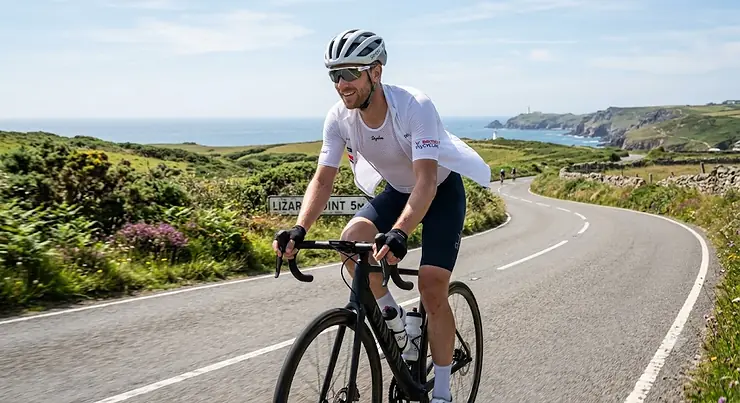
Here’s a confession most cyclists won’t make out loud: on a 30-degree day, the single garment doing the most work isn’t your £3,000 carbon frame — it’s the flimsy mesh vest hiding under your jersey. A good summer cycling base layer pulls sweat off your skin and pushes it out to your jersey fabric, where airflow can actually evaporate it. Skip that step and you’re just wearing a soggy sponge for four hours. A summer cycling base layer is a thin, mesh-panelled undergarment worn beneath a jersey to wick moisture, reduce chafing, and regulate skin temperature during hot-weather rides — not to add warmth, but to manage sweat.
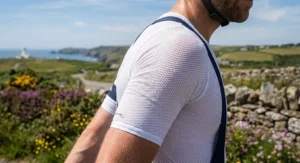
It sounds almost too simple to matter. But ask anyone who’s ridden the same sportive twice — once bare-chested under a jersey, once with a proper mesh layer — and you’ll get the same answer: the base layer wins, every time, and it isn’t close. This guide walks through seven real, current options on the amazon.co.uk marketplace, from budget mesh vests under £20 to premium Italian-engineered fabrics that cost more than some jerseys. We’ll cover a lightweight cycling base layer for racing snakes, a lightweight cycling base layer aimed at all-day comfort, and everything in between — plus the science of sweat-wicking mesh, honest aggregated review sentiment, and a decision framework so you’re not left guessing at the till. Whether you’re chasing a personal best up a Yorkshire climb or just trying not to arrive at brunch looking like you fell in a lake, there’s a cooling base layer here that fits the brief.
Quick Comparison Table
| Product | Style | Fabric Focus | Price Range | Best For |
|---|---|---|---|---|
| dhb Lightweight Mesh Sleeveless Base Layer | Sleeveless | Filled mesh polyester | Under £30 | Budget riders wanting proven performance |
| Madison Roam Isoler Mesh Short Sleeve Baselayer | Short sleeve | Recycled polyester mesh | Under £30 | All-rounders and commuters |
| Endura Translite II | Sleeveless/short sleeve | Recycled fine mesh | £25-£35 range | Eco-conscious value seekers |
| Castelli Pro Mesh 2.0 | Sleeveless/short sleeve | Open mesh with 4-way stretch | £45-£55 range | Racers wanting proven aero fit |
| Assos Summer NS Skin Layer P1 | Sleeveless | Carbon-fibre pique knit | £45-£55 range | Weight-obsessed climbers |
| Sportful Pro Short Sleeve Base Layer | Short sleeve | Tight wicking mesh | £40-£50 range | Long, hot sportive days |
| Rapha Lightweight Base Layer | Sleeveless/short sleeve | Fine technical mesh | £45-£60 range | Riders who want a do-everything layer |
Looking at this spread, the story is really about diminishing returns rather than a straight quality ladder. The dhb Lightweight Mesh Sleeveless Base Layer and Madison Roam Isoler Mesh Short Sleeve Baselayer cover perhaps 80% of what most riders need at a third of the premium price, while the Assos Summer NS Skin Layer P1 and Castelli Pro Mesh 2.0 chase the last 20% through marginal weight savings and race-fit tailoring. If you’re commuting or doing weekend club runs, that gap probably isn’t worth chasing; if you’re racing or doing back-to-back century days, it might be exactly what you’re paying for.
💬 Just one click — help others make better buying decisions too!😊
Top 7 Summer Cycling Base Layers: Expert Analysis
1. dhb Lightweight Mesh Sleeveless Base Layer — best budget pick that punches above its price
The dhb Lightweight Mesh Sleeveless Base Layer has built a reputation as the base layer that makes pricier rivals hard to justify. It uses a filled-mesh knit pattern — essentially the same construction principle found in base layers costing twice as much — cut with a deep armhole so it doesn’t bunch or dig in when you’re out of the saddle.
The mesh construction means air can move directly against your skin even while the fabric is doing its wicking job, which in practice translates to fewer clammy patches on long, humid rides. Reviewers have directly compared it against the pricier Castelli Pro Mesh construction and found the performance gap surprisingly small for a layer costing a fraction of the price. Based on the spec comparison, this is the layer to reach for if your budget tops out around £30 but you don’t want to compromise on the actual wicking mechanism that makes mesh base layers work.
Aggregated review sentiment consistently frames this as one of the best value picks in the category, with testers noting they’d struggle to look further once they’d tried it. The main gripe raised in longer-term reviews is odour control after multiple wears without a wash — a fairly common trade-off among non-merino budget synthetics.
Pros:
- ✅ Filled-mesh construction rivals base layers costing far more
- ✅ Deep-cut armholes prevent bunching during climbs
- ✅ Genuinely versatile across spring, summer and autumn rides
Cons:
- ❌ Odour resistance lags behind pricier merino-blend options
- ❌ Sizing runs generously, so consider sizing down
At around £25-£30, this sits firmly in “why would you spend more” territory for most club riders — check current price and availability before deciding whether the premium options below are worth the jump.
2. Madison Roam Isoler Mesh Short Sleeve Baselayer — best value short-sleeve all-rounder
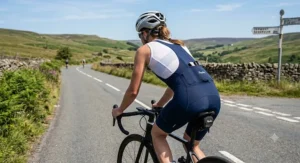
The Madison Roam Isoler Mesh Short Sleeve Baselayer earned its reputation in a head-to-head group test where it was singled out as offering excellent value for an all-year-round base layer, not just a summer-specific one.
Its stretchy mesh fabric conforms closely to the body, which matters more than people expect — a loose base layer just bunches under a tight jersey and defeats the point of wearing one. The short-sleeve cut does mean slightly more fabric coverage than a sleeveless design, which can bunch under the arms on longer rides, but most testers found it settled after the first few kilometres. What most buyers overlook about short-sleeve layers like this one is that the extra sleeve fabric actually helps prevent jersey chafing at the shoulder seam, a detail sleeveless designs can’t offer.
Real-world testing found it performed well across both a cooler morning ride and a warmer evening one under a regular jersey, suggesting genuine year-round flexibility rather than a narrow summer-only window. That versatility is exactly why it’s worth considering even if you’re not exclusively riding in heatwave conditions.
Pros:
- ✅ Proven performance across a genuinely wide temperature range
- ✅ Snug, stretchy fit that holds position under a jersey
- ✅ Strong value relative to premium short-sleeve rivals
Cons:
- ❌ Can bunch slightly under the arms on longer rides
- ❌ Colour options are limited compared to premium brands
Priced under £30, it’s one of the most cost-effective entries here — worth checking current price against the dhb option above if you specifically want sleeve coverage.
3. Endura Translite II — best eco-conscious mid-range mesh option
The Endura Translite II is built from a soft, partly recycled polyester mesh, positioning it as a genuinely comfortable base layer that also ticks a sustainability box increasingly important to UK riders.
Its fine mesh weave is engineered to maximise airflow while still managing moisture transfer away from the skin, and it’s offered in both sleeveless and short-sleeve cuts so you can match it to your usual jersey style. On paper, the recycled-fibre construction doesn’t sacrifice the wicking mechanics that make mesh base layers effective — the fibre source is a manufacturing choice, not a performance compromise, and reviewers have generally confirmed that in testing. This is worth flagging because “eco” and “technical” don’t always go hand in hand in cycling apparel, but here they largely do.
There’s also a Windstopper variant available for riders who want a single layer that can straddle a warm morning start and a cooler descent, which adds useful flexibility if you only want to own one base layer rather than a seasonal wardrobe of them.
Pros:
- ✅ Recycled construction without compromising wicking performance
- ✅ Available in sleeveless and short-sleeve cuts
- ✅ Windstopper variant adds shoulder-season versatility
Cons:
- ❌ Slightly less premium hand-feel than Italian competitors
- ❌ Fewer third-party long-term durability reports available
In the £25-£35 range, this is a sensible middle-ground pick — check current price, as Endura’s line-up is regularly refreshed each season.
4. Castelli Pro Mesh 2.0 — best proven race-fit mesh for hot climates
The Castelli Pro Mesh 2.0 is a long-standing favourite in the peloton-adjacent kit world, and the “2.0” update brings a genuinely open mesh weave available in both sleeveless and short-sleeved cuts, across four colours for men and three for women.
The open-mesh construction is specifically engineered to handle moisture in cool-to-mild conditions as well as genuine heat, giving it slightly broader usability than base layers tuned purely for scorching days. Based on the spec comparison against budget alternatives like the dhb option above, the difference isn’t night and day in raw wicking terms — but the Castelli’s fit tends to be closer and more race-oriented, which matters if you’re wearing a tight aero jersey where a baggy base layer would create visible lines or bunching. What most buyers overlook is that this tighter fit also reduces the amount of fabric moving against your skin, which some riders find reduces chafing on very long rides.
Reviewers directly comparing budget mesh clones to the Castelli original have noted the performance is close enough that the £35 price gap is a hard sell on function alone — meaning you’re partly paying for the fit precision and the badge here, not a dramatically superior wicking mechanism.
Pros:
- ✅ Genuinely close, race-oriented fit under tight jerseys
- ✅ Broad usability across cool-to-hot conditions
- ✅ Wide size and colour range for men and women
Cons:
- ❌ Meaningfully pricier than mesh layers with similar core performance
- ❌ Traditional Italian sizing runs small for some body types
Sitting in the £45-£55 range, this is a considered upgrade rather than a default choice — check current price and size guide carefully before ordering, given the noted Italian fit.
5. Assos Summer NS Skin Layer P1 — best ultralight cycling undershirt for serious climbers
If weight is your obsession, the Assos Summer NS Skin Layer P1 is about as far as the category currently goes. At roughly 42-48g for a size large, it’s genuinely one of the lightest garments you’ll ever put on a bike, rated by Assos for use in temperatures of 21°C and above.
The fabric uses a pique weave containing carbon fibre, which Assos claims delivers permanent odour resistance alongside quick-drying performance — a meaningful upgrade over standard polyester if you’re the type who packs three jerseys but only one base layer for a multi-day trip. Here’s what the spec sheet won’t tell you outright: that near-40g weight isn’t just a marketing number, it genuinely disappears against the skin in a way heavier mesh layers don’t, which matters over six-hour mountain days where every gram of fabric friction adds up. The seamless body construction with a knitted-in hem also reduces the risk of pressure points under bib straps, a detail riders doing back-to-back long days tend to notice and appreciate.
Aggregated reviewer sentiment consistently ranks this among the best-performing summer base layers tested, generally scoring it highest for pure hot-weather comfort against direct rivals, though that comfort does come at a correspondingly premium price point.
Pros:
- ✅ Among the lightest cycling base layers available anywhere
- ✅ Carbon-fibre fabric claims genuine long-term odour resistance
- ✅ Seamless construction minimises pressure points under bib straps
Cons:
- ❌ Premium pricing puts it out of reach for casual riders
- ❌ Limited colourway (grey only) across the size range
Expect to pay in the £45-£55 range for this one, and given how specialised it is, it’s worth checking current price against your actual riding volume before committing.
6. Sportful Pro Short Sleeve Base Layer — best for long, hot sportive days
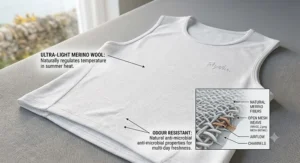
In a direct group test against three rivals, the Sportful Pro Short Sleeve Base Layer came out as one of the more expensive options on test — and also the one that did the best job of keeping the tester sweat-free across a genuinely demanding hot-weather ride.
Its short-sleeve mesh construction actively wicked sweat through sustained climbing efforts and continued performing even in direct midday sun, according to the tester’s account, while the fit was described as clinging tightly to the body without ever feeling constricting. That combination — aggressive wicking plus a genuinely close fit — is exactly what you want for events where you’re in the saddle for five-plus hours and can’t afford a base layer that saturates and stays wet. On paper, the trade-off is straightforward: you’re paying more for consistent performance under sustained heat stress rather than a single standout feature, which is a harder thing to spec-sheet but matters enormously on an actual sportive.
For riders training toward long-format events — gran fondos, multi-day charity rides, or simply a summer of century rides — this is the kind of base layer where the extra cost buys predictability rather than novelty.
Pros:
- ✅ Excellent sustained wicking through multi-hour heat exposure
- ✅ Close, non-restrictive fit that held up throughout testing
- ✅ Proven directly against rival brands in independent group testing
Cons:
- ❌ One of the pricier short-sleeve options in this guide
- ❌ Tight fit may not suit riders who prefer a looser base layer
In the £40-£50 range, this is a strong pick for anyone whose rides regularly run past the three-hour mark — check current price before your next big sportive.
7. Rapha Lightweight Base Layer — best do-everything premium mesh top
Rounding out the list, the Rapha Lightweight Base Layer is a very thin, genuinely lightweight mesh top that fits comfortably under both long- and short-sleeved jerseys, making it one of the more versatile picks here despite its premium positioning.
Testers found the fit sat well under a jersey while remaining sweat-wicking and breathable on warmer evening rides, and — notably — it retained a fresh feel even after repeated outings, which is a common weak spot for synthetic mesh layers at any price point. Rapha has also introduced a 100% merino short-sleeve option in its current line-up; while merino sits slightly warmer and won’t fit as cleanly under an aero-tight jersey as the synthetic mesh version, it’s a genuinely useful pick for riders who want one base layer that bridges summer evenings and cooler shoulder-season mornings. Based on the spec comparison, the standard mesh Rapha layer is the better choice for pure summer heat, while the merino version is the smarter buy if you want a single garment covering more of the calendar.
The main criticism raised in testing was fit length — some reviewers wanted slightly more body length than the standard cut provides, worth checking against your own torso length before ordering.
Pros:
- ✅ Genuinely thin, breathable mesh that resists retaining odour
- ✅ Fits cleanly under both long- and short-sleeve jerseys
- ✅ Merino variant extends usability into cooler shoulder seasons
Cons:
- ❌ Premium pricing among the highest in this guide
- ❌ Body length runs shorter than some riders prefer
Priced in the £45-£60 range depending on variant, this is a considered buy-once option — check current price and read the size guide closely given the length feedback above.
Top 7 Products: Specs & Value Comparison
| Product | Sleeve Style | Approx. Weight | Odour Control | Price Range | Best For |
|---|---|---|---|---|---|
| dhb Lightweight Mesh Sleeveless Base Layer | Sleeveless | Light | Moderate | Under £30 | Best budget entry |
| Madison Roam Isoler Mesh Short Sleeve Baselayer | Short sleeve | Light | Moderate | Under £30 | Year-round versatility |
| Endura Translite II | Sleeveless/short sleeve | Light | Moderate | £25-£35 | Recycled-fabric fans |
| Castelli Pro Mesh 2.0 | Sleeveless/short sleeve | Light | Moderate | £45-£55 | Race-fit precision |
| Assos Summer NS Skin Layer P1 | Sleeveless | Ultralight | High (carbon fibre) | £45-£55 | Weight-focused climbers |
| Sportful Pro Short Sleeve Base Layer | Short sleeve | Light | Moderate-High | £40-£50 | Long, hot sportives |
| Rapha Lightweight Base Layer | Sleeveless/short sleeve | Ultralight | High | £45-£60 | All-round premium buyers |
Two clear patterns emerge from this table: weight and odour control are where the premium tier actually earns its price, not raw wicking ability, which all seven products handle competently. If you’re a once-a-week rider doing 90-minute club runs, the budget tier’s “moderate” odour control is a non-issue because you’ll wash the layer before it matters; if you’re touring for five days without laundry access, that “high” rating on the Assos Summer NS Skin Layer P1 or Rapha Lightweight Base Layer stops being a nice-to-have.
✨ Don’t Miss These Exclusive Deals!
🔍 Take your summer riding kit to the next level with these carefully selected base layers. Click on any highlighted item to check current pricing and availability. These picks will help you stay cool, dry and genuinely comfortable on every hot-weather ride!
Mesh Base Layers vs Traditional Cotton Undershirts
| Factor | Mesh Base Layer (e.g. dhb, Castelli) | Traditional Cotton Undershirt |
|---|---|---|
| Moisture handling | Wicks sweat away from skin | Absorbs and holds sweat |
| Weight when wet | Stays light, dries fast | Becomes heavy and clingy |
| Chafing risk | Low — engineered flat seams | Higher — seams and folds rub |
| Odour build-up | Slower (synthetic/merino treatments) | Faster once damp |
| Cost | £20-£60 | Often under £10 |
Cotton might feel soft in the changing room, but it’s genuinely the wrong fabric for a bike. Cotton fibres absorb moisture rather than moving it away from your skin, so a cotton undershirt on a hot ride simply gets heavier and clammier as the miles tick by, whereas a mesh base layer like the dhb Lightweight Mesh Sleeveless Base Layer is engineered specifically to shift that moisture into your jersey where airflow can evaporate it. For anyone doing more than a short, gentle spin, the small extra spend on a genuine mesh base layer pays for itself in comfort within the first hot ride.
Practical Usage Guide: Getting the Most From Your Base Layer
Buying the right mesh base layer is only half the job — how you wear, wash and rotate it matters just as much for real-world comfort. Get the sizing wrong and even the Assos Summer NS Skin Layer P1 will feel like a sauna suit; get it right and even a budget dhb layer performs close to premium levels.
Start with fit, not size labels. Cycling base layers should sit close to the skin without any compression — if you can pinch more than a centimetre of loose fabric at the chest, size down. A layer that’s too loose bunches under your jersey and actually traps sweat rather than wicking it, defeating the entire purpose. When it comes to washing, avoid fabric softener at all costs; it coats the synthetic fibres and blocks the wicking mechanism, which is precisely why so many riders report a “good base layer gone bad” after a few washes. A cool 30°C wash with a technical sportswear detergent, then air-dried rather than tumble-dried, will keep the mesh structure intact for years rather than months. In your first 30 days, resist the urge to wear the same layer two rides running without a wash — this is the single most common mistake, and it’s what causes the odour build-up that shows up in negative reviews far more often than any fabric flaw.
One optimisation trick worth knowing: rotate two base layers rather than relying on one. It halves the wash frequency per garment, extends the elastane’s lifespan, and means you’re never forced to wear a still-damp layer from yesterday’s ride.
Real-World Scenarios: Which Base Layer Suits You?
Choosing between seven genuinely good options gets easier once you match the product to your actual riding pattern rather than the spec sheet alone.
The weekday commuter, riding 8 miles each way in city traffic: Budget and durability matter more than shaving grams here, so the Madison Roam Isoler Mesh Short Sleeve Baselayer or dhb Lightweight Mesh Sleeveless Base Layer make the most sense — both handle repeated weekly washing well and won’t break the bank if lost to office laundry mishaps.
The weekend sportive rider chasing a sub-6-hour century: Sustained performance under heat stress becomes the priority, which is exactly where the Sportful Pro Short Sleeve Base Layer earned its reputation in direct testing. The extra spend buys consistency across hour five and six, when a lesser layer starts to saturate.
The competitive club racer in a tight aero jersey: Fit precision under a race-cut jersey matters more than anything else, making the Castelli Pro Mesh 2.0 the logical pick — its close, race-oriented cut avoids the bunching that shows up as drag (and discomfort) at speed.
The Alpine or multi-day tourer packing light: Weight and odour resistance both matter when you can’t wash daily, which points squarely at the Assos Summer NS Skin Layer P1 or the merino variant of the Rapha Lightweight Base Layer — both are engineered specifically for extended wear between washes.
How to Choose a Summer Cycling Base Layer
- Prioritise mesh density over brand name. An open, filled-mesh weave is the actual mechanism that keeps you cool — check product descriptions for “mesh” or “open weave” fabric before anything else.
- Match sleeve style to your jersey. Sleeveless layers avoid bunching under short-sleeve jerseys, while short-sleeve base layers reduce shoulder-seam chafing under long-sleeve kit.
- Check the fit, not just the size chart. Some brands, particularly Italian ones like Castelli, run notably smaller than UK sizing conventions suggest.
- Weigh odour resistance against your wash routine. If you can wash after every ride, a budget synthetic is fine; if you can’t, pay for carbon-fibre or merino-treated fabric.
- Consider weight only if you’re climbing seriously. The gram-count arms race between premium layers matters far less on flat commutes than on multi-hour mountain days.
- Factor in versatility across seasons. A layer usable in both warm and cool conditions, like the Castelli Pro Mesh 2.0 or Endura Translite II, reduces how many base layers you need to own.
- Set a realistic budget band and stick to it. Independent testing consistently shows the budget-to-mid tier delivers 80% of premium performance for a third of the cost.
Common Mistakes When Buying a Cycling Base Layer for Summer
The single most common mistake is buying based on brand reputation from winter kit reviews rather than summer-specific testing — a brand that makes an excellent thermal winter layer doesn’t automatically make the best cooling base layer, since the engineering goals are almost opposite. The second mistake is ignoring sizing charts entirely and ordering “usual size,” which is precisely how riders end up with a base layer that’s either too loose (bunching, reduced wicking) or too tight (restricted breathing on climbs). A third, sneakier mistake is judging a base layer purely on weight in grams without checking mesh density — an ultralight layer with tight, closed knitting can actually trap more heat than a slightly heavier but genuinely open-mesh design. Finally, plenty of riders skip a base layer entirely in summer on the assumption that “less fabric equals cooler,” when in practice a well-designed sweat-wicking mesh layer keeps a jersey drier and more breathable than skin contact alone — a point echoed by cycling advocacy groups who continue to test and recommend summer base layers precisely because bare-skin-under-jersey performs worse in blind comfort testing.
What to Expect: Real-World Performance
On paper, every base layer in this guide claims to wick moisture and manage heat. In practice, the differences show up gradually rather than instantly. In the first 20-30 minutes of a ride, you likely won’t notice much difference between the dhb Lightweight Mesh Sleeveless Base Layer and the Assos Summer NS Skin Layer P1 — both feel dry and comfortable at low sweat rates. The gap opens up from around the 90-minute mark onward, once sweat production is sustained and the fabric’s actual wicking capacity is being tested rather than just its initial dry feel. This is exactly why group tests conducted over multi-hour rides, rather than short shop-floor trials, are the ones worth trusting.
Temperature swings matter too. A base layer rated for genuine heat, like the Assos option’s 21°C-plus claim, can actually feel slightly cool at the very start of a ride before your body warms up — that’s normal and part of the design intent, not a flaw. By contrast, wearing a winter-weight base layer in summer heat, even a “lightweight” one not specifically designed for hot conditions, tends to trap warmth from the first pedal stroke, which is the exact discomfort this whole category exists to solve.
Long-Term Cost & Maintenance
Buying decisions in this category often hinge on sticker price alone, but total cost of ownership tells a fuller story. A £25 budget layer like the dhb Lightweight Mesh Sleeveless Base Layer, washed weekly and gently, typically lasts one to two full seasons before elastane fatigue sets in and the fit loosens noticeably. A premium layer such as the Rapha Lightweight Base Layer or Castelli Pro Mesh 2.0, built with higher-grade synthetic yarns and reinforced flatlock seams, more commonly lasts three to four seasons under the same wash frequency — meaning the effective annual cost can actually converge, even though the upfront price gap looks steep.
Where the real cost divergence shows up is in odour-treatment longevity. Carbon-fibre and merino-based odour resistance, as used in the Assos and higher-end Rapha ranges, tends to hold up over dozens of washes, while budget synthetic anti-odour finishes can wear off within the first season, pushing you toward more frequent washing (and therefore faster fabric fatigue) to keep the garment fresh. If you ride four or more times a week year-round, that maintenance cycle genuinely tips the value equation toward the premium tier; for weekend-only riders, it rarely does.
Safety, Fit & Regulations Guide
Cycling base layers aren’t subject to specific UK safety regulations in the way helmets or lighting are, but general product safety and labelling rules under UK consumer protection law still apply to garment claims around fabric composition and care instructions. It’s worth checking the UKCA and CE marking guidance on GOV.UK if you’re ever unsure whether a piece of cycling apparel or safety-adjacent kit is compliant for the UK market, though standard base layers typically fall outside marking requirements since they’re not classed as personal protective equipment.
Fit safety is the more practical concern for riders: a base layer that’s genuinely too tight can restrict rib expansion during hard efforts, which matters on long climbs where deep breathing is essential. On the flip side, heat management itself is a genuine health consideration — the NHS guidance on staying safe in hot weather notes that recognising early signs of heat exhaustion, including heavy sweating and dizziness, is important during vigorous exercise in warm conditions, and a properly functioning sweat-wicking base layer is one small but genuine part of managing that risk on long, hot rides.
Features That Actually Matter (And Those That Don’t)
Marketing copy on base layer product pages loves to lean on buzzwords, so it’s worth separating genuine performance drivers from noise. Mesh density and weave openness actually matter enormously — this is the core mechanism behind every product in this guide, from the Madison Roam Isoler Mesh Short Sleeve Baselayer to the Assos Summer NS Skin Layer P1. Flatlock seam construction also genuinely matters, since raised seams under a tight jersey are a common source of chafing on longer rides. Odour-resistant treatments, whether carbon fibre or merino-based, matter if you ride multiple days without washing kit, but matter far less if you’re a wash-after-every-ride rider.
On the “doesn’t matter much” side: exact gram-weight differences of 5-10g between competing premium layers are largely marketing theatre for anyone not racing competitively — you won’t feel that difference on a club run. Colourway range, while nice to have, has zero bearing on wicking performance despite sometimes being listed as a headline feature. And UV protection claims, while genuinely useful for skin under a mesh layer on bright days, are frequently overstated relative to the actual UPF rating achieved by an open-weave mesh fabric, which by design lets a fair amount of light through.
Summer Cycling Base Layer FAQs
❓ Do you need a base layer for summer cycling?
❓ What is the best fabric for a hot weather cycling base layer?
❓ Should a cycling base layer be sleeveless or short sleeve?
❓ How often should you wash a cycling base layer?
❓ Is a more expensive base layer actually worth it for summer cycling?
Conclusion
If there’s one takeaway from testing and comparing seven genuinely different summer cycling base layers, it’s that the core technology — open mesh, moisture-wicking fibres — is remarkably consistent across the price range. What changes as you spend more is fit precision, odour-treatment longevity, and gram-shaving weight reduction, all of which matter more the longer and hotter your rides get. A weekend commuter doing gentle 8-mile hops will likely be perfectly happy with the dhb Lightweight Mesh Sleeveless Base Layer or Madison Roam Isoler Mesh Short Sleeve Baselayer, both of which deliver proven performance for well under £30. A rider chasing six-hour sportives in July heat, on the other hand, has genuine reasons to consider the Sportful Pro Short Sleeve Base Layer or the Assos Summer NS Skin Layer P1, where sustained performance and minimal weight actually earn their premium price tags.
Whichever you land on, the underlying advice holds: fit close but not tight, wash without fabric softener, and don’t skip the layer just because it’s warm outside — that’s precisely the condition it’s designed for. Check current prices on amazon.co.uk before you buy, since availability and pricing shift regularly across all seven options featured here.
Recommended for You
- Winter Cycling Base Layer: 7 Warm Picks That Actually Work (2026)
- Packable Cycling Jacket: 7 Brilliant Picks for Soggy UK Rides (2026)
- Winter Cycling Jacket: 7 Best Picks Tested for UK Cold 2026
Disclaimer: This article contains affiliate links. As an Amazon Associate, I earn from qualifying purchases. If you purchase products through these links, we may earn a small commission at no additional cost to you.
✨ Found this helpful? Share it with your friends! 💬🤗
